Solid Gold Hell Announces ‘The Blood and The Pity’ 30th Anniversary Remastered Reissue
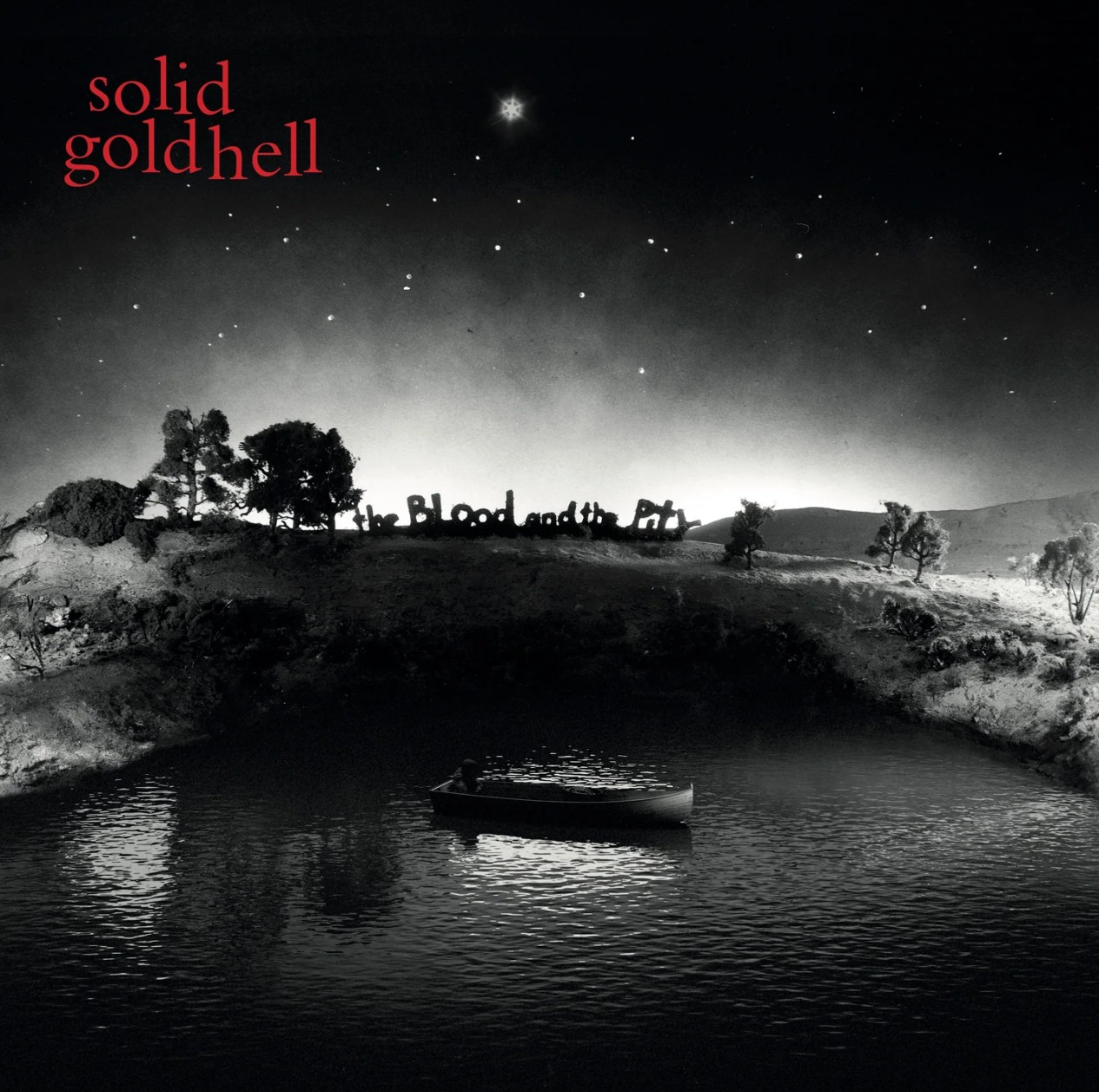
Flying Nun Records are thrilled to announce the 30th anniversary remastered reissue of Solid Gold Hell’s 1996 album, The Blood and the Pity, out digitally and on vinyl LP on December 4th via Flying Nun Records. Thirty years on, The Blood and The Pity remains a standout release from one of Auckland’s most distinctive underground bands.
Originally released in 1996, The Blood and The Pity captured the band at the height of their powers. Building on the reputation established through their unpredictable and uncompromising live performances, the album delivered some of their strongest material to date. From the swinging menace of The Country Sow to the hard-edged Heavenly Badness, it showcases a band with a knack for combining heavyweight riffs and unconventional rhythms.
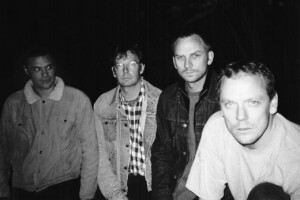
Fronted by Glen Lorne Campbell, whose unmistakable vocals move between growl, snarl and outright theatricality, the band’s songs inhabit a world of troubled characters, desperation and dark humour. Through the alliance of Glen Campbell, Gary Sullivan, Colleen Brennan and Matthew Heine, Solid Gold Hell brought together musicianship, attitude and an instinctive sense of rock ’n’ roll.
The Blood and The Pity stands as an important part of Solid Gold Hell’s recorded legacy and a reminder of a particularly adventurous period in New Zealand’s underground music scene. This reissue, remastered by Chris Chetland, is an opportunity to revisit a record that has lost none of its character, attitude or ability to hit hard.
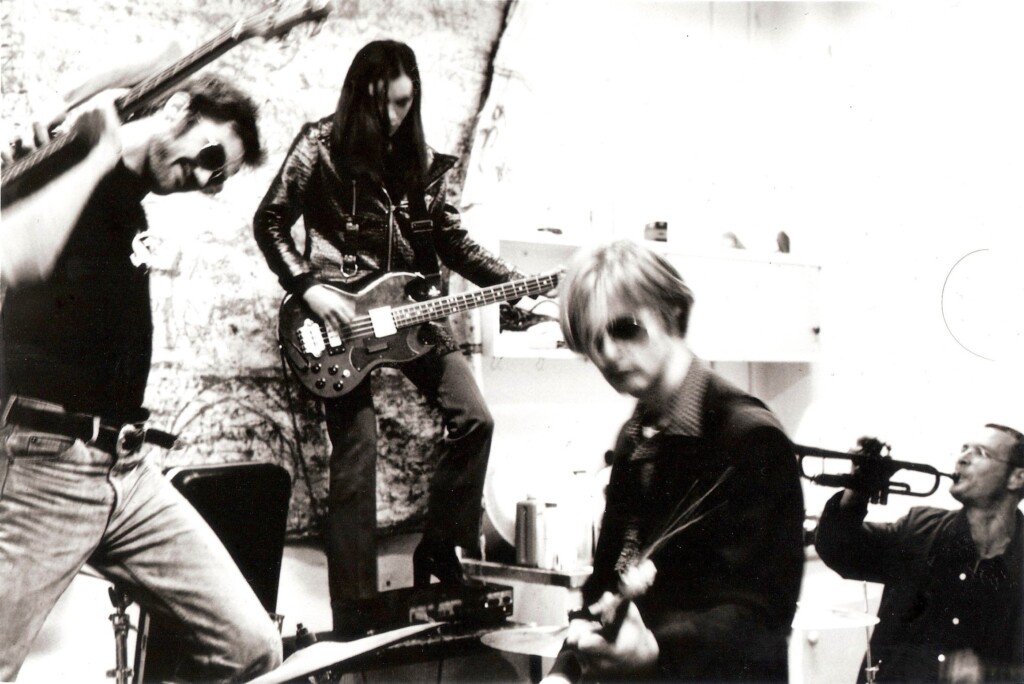
Photo Credit: Simon Cuming
Solid Gold Hell are one of the most gloriously unruly and unconventional bands to emerge from Auckland’s alternative music underground during the 1990s. A ferocious combination of noise rock, junkyard blues, twisted jazz, punk and Southern Gothic theatrics, they occupy a particularly strange corner of the Flying Nun Records universe. While much of the alternative music world was becoming increasingly polished and commercially accessible in the wake of grunge, Solid Gold Hell seemed determined to drag rock’n’roll back into the filth.
The band’s origins can be traced to the late-1980s Auckland underground, particularly the abrasive and uncompromising group S.P.U.D, in which vocalist Glen Campbell and guitarist Matthew Heine had established their reputation for confrontational performances, savage guitar work and unconventional rhythms. When S.P.U.D finally ground to a halt in 1992, Campbell and Heine weren’t finished making noise. They wanted to pursue something with a different musical character, retaining the aggression but introducing a much broader palette of influences.
They recruited bassist Colleen Brennan, a friend of the pair, and drummer Gary Sullivan, whom they met through their association with the Jean-Paul Sartre Experience and Auckland’s wider alternative music community. Sullivan brought his own musical pedigree and an instinct for unusual rhythmic approaches, while Brennan provided a powerful foundation for the group’s increasingly unpredictable arrangements. The resulting quartet – Campbell, Heine, Brennan and Sullivan – became Solid Gold Hell.
The band’s musical identity was considerably more eccentric than its punk-rock foundations might suggest. In a 2013 interview with UnderTheRadar, Heine identified influences including Pere Ubu, Captain Beefheart, Tom Waits, Black Sabbath, The Jesus Lizard and The Birthday Party. He also mentioned an interest in world music and the rhythmic possibilities of old swing jazz.
These influences help explain the peculiar character of Solid Gold Hell. Their music could shift from grinding, industrial-strength guitar noise into lopsided jazz rhythms, swampy blues and almost theatrical vocal performances. Campbell’s voice was a particularly distinctive instrument: a combination of growling, half-spoken narratives, snarling and outright vocal exorcism. His occasional use of trombone added another layer of wonderfully deranged musical personality.
The band quickly developed a reputation as a formidable live act. Their performances were unpredictable, confrontational and frequently chaotic, but beneath the apparent disorder was a sophisticated understanding of rhythm and arrangement.
Solid Gold Hell officially became part of the Flying Nun Records family in 1994 with their first release, the 7” single Sugar Bag / Evil Cabaret, followed by their debut album, Swingin’ Hot Murder, also released in 1994. The debut established the band’s distinctive musical vocabulary: abrasive guitars, lurching percussion, dark humour and a fascination with the more grotesque aspects of the human condition.
They were something of an anomaly within the New Zealand alternative scene. Although connected to Flying Nun’s musical heritage, their sound had little in common with the “melodic jangle” often associated with the label. Instead, they occupied territory closer to the American noise-rock underground.
Their reputation also began travelling beyond New Zealand. A particularly enthusiastic review in British music publication Melody Maker in May 1996 described them as an “atom bomb drop of a surprise” comparing their twisted neo-blues favourably with Nick Cave, Beasts of Bourbon and The Jesus Lizard. The band also appeared at the Big Day Out in 1995 and 1997, bringing their decidedly unconventional performance style to a much larger audience.
By the time they recorded The Blood and The Pity in 1996, Solid Gold Hell had become an assured and distinctive musical proposition.
Recorded at York Street Recording Studios in Auckland, the album represented a development from the more straightforward aggression of their debut. Heine later explained that the band had developed a clearer musical vision and a stronger understanding of what they wanted to achieve.
The musicianship is considerably more intricate than the initial assault of noise might suggest. Sullivan’s drumming constantly shifts between unconventional swing patterns and punishing rock rhythms, while Heine’s guitar work moves between angular riffs, abrasive distortion and more atmospheric passages. Brennan’s bass anchors the arrangements without making them feel at all predictable. Campbell remains the central character, delivering his vocal performances with an almost theatrical intensity. His lyrics and delivery conjure strange characters and unsettling narratives, blurring the line between dark comedy and genuine menace.
Despite their growing reputation and two distinctive Flying Nun releases, Solid Gold Hell’s original run came to an end around 1997. There wasn’t a dramatic split or acrimonious breakup. As Heine explained in his 2013 interview, the band simply ground to a halt for various reasons. The Auckland music environment was also changing, and sustaining an uncompromising, relatively niche live act became increasingly difficult.
For more than a decade, Solid Gold Hell remained largely dormant. However, the band reunited in 2011 for Flying Nun’s 30th Anniversary celebrations, demonstrating that their unusual chemistry had survived the intervening years.
The reunion proved successful enough to lead to further performances, including shows in 2013 and 2014, an appearance at Auckland’s The Others Way Festival in 2015, and another reunion for Flying Nun’s 40th Anniversary celebrations at Auckland Town Hall in 2021.
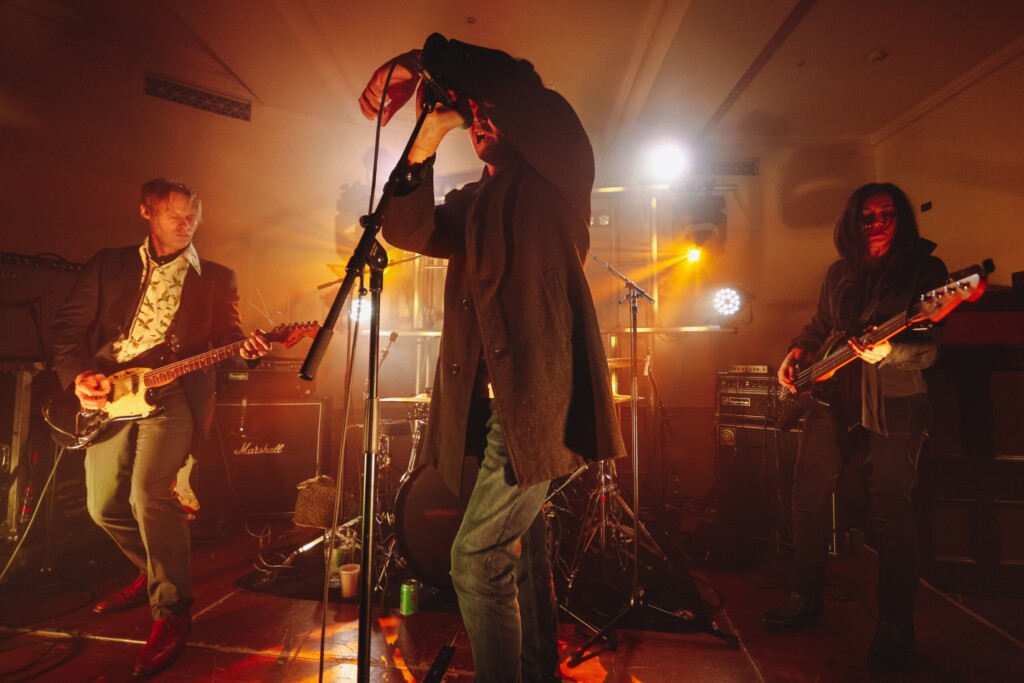
Photo Credit: Dave Simpson
The overarching theme of Solid Gold Hell’s legacy is that they never quite fitted into any particular musical movement. They were connected to the Flying Nun tradition but operated at its more abrasive edges. The Blood and The Pity remains an excellent document of a band that developed its own musical language rather than following prevailing fashions.
For anyone exploring the less familiar corners of New Zealand’s alternative music history, Solid Gold Hell is well worth discovering. They were a band that sounded like absolutely nobody else in the country – and The Blood and The Pity captures them at their most assured, adventurous and wonderfully unhinged.
The Blood and The Pity 30th Anniversary Remastered Reissue is out digitally and on vinyl LP on December 4th via Flying Nun Records.