
Aotearoa New Zealand has a long history of musical innovators who quietly break rules while building deeply emotional worlds. The self-titled release from Eigenface is a great addition to that legacy. Comprising Penelope Esplin (French for Rabbits, Lake South, Grawlixes), Elliot Vaughan (2024 CNZ/NZSM Composer in Residence, Moth Quartet), and Logan Valentine (Moon Lander), the New Zealand/New York trio formed out of a spontaneous challenge: to write and perform on one another’s work. Coming together without set expectations, they gave themselves the space to discover a shared groove, one that bridges folk intimacy, dream-punk atmospheres, and tactile electronic experimentation.
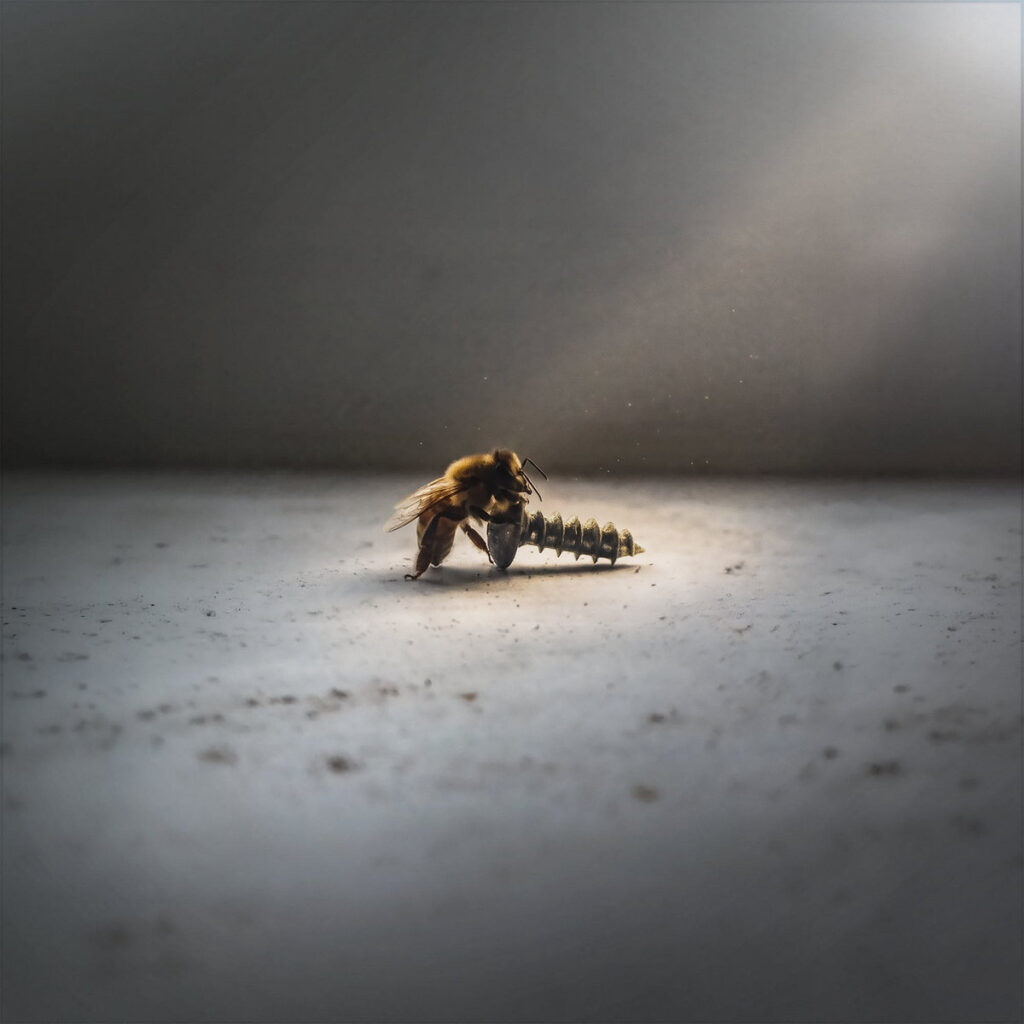
The resulting album, released via Wellington’s indie Home Alone Records, is a work of beauty and disquiet. I highly recommend it. I wasn’t initially sure what to make of the cover art, but after listening, I figure it is representative of the natural and the manufactured, reflective of the music itself. Borrowing their name from a mathematical concept used in computer vision for facial recognition, Eigenface’s sound is something like an android: part human warmth, part machine. In a recent interview, Vaughan likened the album to a photo album, catching snapshots of fleeting moments. Across its 12 tracks, the record has themes of memory, grief, and the fragility of human temporariness.
Sonically, Eigenface defies easy categorisation. While the trio aptly aligns themselves with US art-pop contemporaries like Son Lux and Loma, I was also reminded of parallels closer to home. To Sheep, Dog & Wolf, in the similarly well crafted arrangements and falsetto vocals. And showing my age a little, to Cloudboy, for the art-pop melding of folk and electronic experimentation.
The album features unvarnished vocals. Vocal doubling and other effects are barely used. Valentine’s guitar playing across the album is similarly unadorned, while Vaughan’s bass stands out on many tracks, with its sharp attack letting it function almost as a percussion instrument alongside its bottom-end warmth and interest. What holds this live, physical performance together and also elevates it is the excellent production. The added synths and percussion are well chosen and there’s just the right amount of ear-candy interest. Sequentially, each track on the album switches between a female and male vocal (presumably reflecting who wrote the lyrics), offering complementary vantage points on similar emotional terrain.
Eigenface has already begun making waves across Aotearoa, with singles House by the Sea, Slow Exposure, and Twizel tracking well on student radio. The fourth single, Grief is Fucking Strange, opens the record. Its unvarnished vulnerability captures the disarray of loss over raw textures. The lyrics ground abstract pain in physical reality: knocking a knuckle off a doorframe, sitting frozen at a train station as the doors slide closed with a hiss, feeling embarrassed that a friend found you in such a state. It then glides into House by the Sea, a track that eschews a clear chorus for dynamic, shifting movements. Here, bright melodies mirror lyrics that weigh the grandeur of ocean views against the unsettling experience of a Cook Strait southerly shaking a seaside home.
On Slow Exposure, the band leans into a kinetic Talking Heads groove, with the percussive bass grounding the track in living, room-bound space. The lyrics play with photographic metaphors for truth and perception, musing on “electric eyes in gelatine” and “truth in negative and blurred relief.” I found myself musing on whether cutting the trailing vocal echoes into tight digital chops could have sounded good, but there is an undeniable, unvarnished humanity in them that I’ve come to enjoy and prefer.
As the album unfolds, the trio’s range and knack for sonic detail take centre stage. Painting pairs dry, intimate folk vocals with delicate string layering to build quiet drama around a story of experiencing an art auction. Twizel is the third single from the album and delivers an infectious high point, blending 80’s tropical lounge vibes with distinct South Island lyrical imagery of rabbits dodging the heat, knees pressed to the dash beside artificial lakes. Valentine noted this song grew from being at the beginning of a journey with someone you love while knowing you’re about to leave a beautiful place behind. It detours through an experimental section before returning with a lush outro with rarely used doubled vocals.
In Door marries a snappy drum machine snare with live percussion and reverbed guitar noodling, utilising a deliberate pause that lets the song catch its breath. Island Dock opens abruptly with radio interference before launching into a busy bassline and cinematic instrumental finale, while For You stands out as an early favourite of mine, lyrically eccentric yet emotionally earnest, it describes clumsy physical sacrifices like doing a Cossack jump, falling out of style, and climbing trees with broken arms. Musically building a hyperactive bassline through a period of discordant tension before surrendering to a warm, deeply satisfying chorus resolution.
The music continues to expand its cinematic scope as the record draws onward. The Minute channels a detective-noir haze laced with pulsing Kraftwerk synths, exploring the quiet horror of being caught unprepared by emotional waves. Son relies on direct, heartbreaking simplicity (“Anne got sick one day / But she passed it off and endured the pain”), using deep sub-bass to anchor a mother’s moving plea to hold her child one last time. What I Did in the Morning opens like a classic Radiohead piece, capturing the foggy slipping of time and memory as it steadily builds intensity before vanishing in a flash.
It all culminates in what to me was the highlight song on the album, Peel the Walls. Beginning in a restrained mono space, the song unspools into stereo, driven by a heartbeat drum, radiant organ chords, and lush percussion. The lyrics move from dusty fingers peeling back walls to the natural world violently reclaiming human spaces – “Kōwhai through the floorboards / Bursting into bloom / Bursting into you.” As the refrain shifts from a “return to grief” to a “return to seed,” the album delivers a deeply cathartic release, suggesting that decay becomes renewal.
Eigenface is a complete artistic statement. It is a fantastic debut, an album that honours Aotearoa’s art-pop heritage, finding beauty right in the middle of life’s uncertainties. By embracing contrast between male and female vocal tones, folk acoustic spaces and drum machine precision, serene melodies and structural uncertainty, Eigenface have crafted a debut that feels meticulously crafted yet deeply human. I strongly recommend spending time with this album when it lands, and catching one of their live shows as they take these rich, disarming textures on the road.
Related Acts:
About the author Scott Burnett
Nelson based and in Wellington often. Scott works in environmental advocacy and is passionate about NZ Music. He volunteers to co-organise the biannual COMMOTION youth music event https://commotion.nz