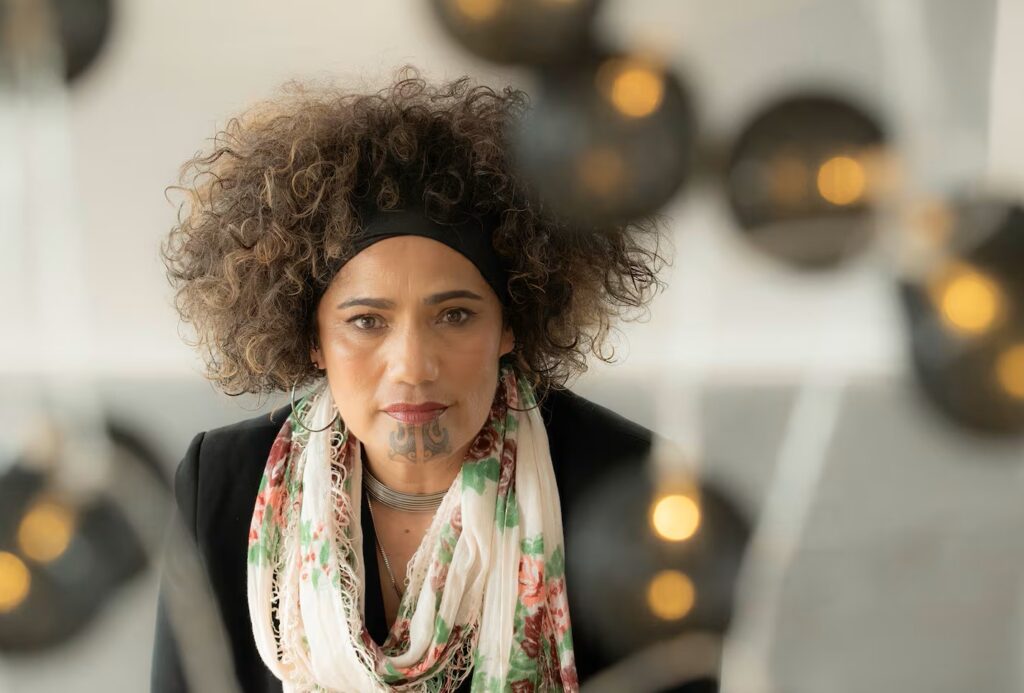
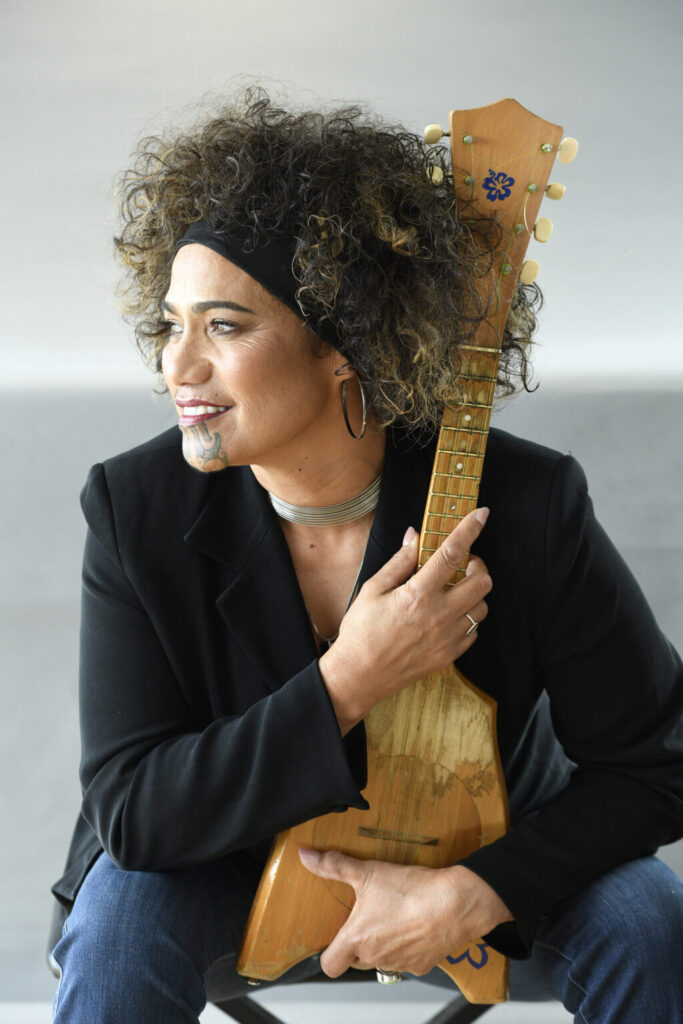
Betty‑Anne Hall is one of Aotearoa New Zealand’s most celebrated singers, best known as the longtime voice of Ardijah and a defining force behind the group’s Polyfonk sound. After more than four decades in music, honours including Top Female Vocalist at the 1999 New Zealand Music Awards and an MNZM in 2023, she has entered a new chapter with her deeply personal solo debut Slow Burn, a whānau‑made record shaped by love, loss and healing.
Looking back, what gave Ardijah the confidence to create something so unapologetically South Auckland in the 1980’s?
I don’t think it was courage at all – we were young musicians – majority of us from ‘South Auckland’ – influenced by music we listened to in our neighbourhoods (not just music on the radio) – our muso whānau, Transitioning from the ‘covers band’ scene, to originals – the desire to create songs, a sound and to journey the tough road that came with it.
You’ve said Ardijah is “your heart”. How do you see its legacy evolving now that you’re stepping into a solo chapter?
Ardijah (the songs, sound, partnership, musicians, people, places) was a moment in time – spanning quite a number of years. The multi-interconnections will remain – I personally feel Ardijah is timeless, and for me, I’m content.
You once did a gig while in labour and only left after one set, do your kids ever remind you that they were literally born into showbiz?
Yeah…. My four offspring are featured on Slow Burn (writing collaborators, musicians/BV’s), it’s been a joy to share this journey with them, I luv it! My eldest son Ryan-Kaitapu and I share our lil unique story of me being in labour on stage in Whangarei – if I recall, I left after the 2nd set – (covers bands back then played minimum x4 30min sets). My lil’ baby arrived at 10am the next morning.
You’ve mentored so many younger artists. What’s the one piece of advice you wish someone had told you at 16, when you first met the Ardijah boys?
Look after your relationships – whānau, friends, muso mates…. They’ll be there through the tough times – and there will be many.
Slow Burn is described as a deeply personal, healing album. What moment or feeling first told you, “This is the time to make a solo record”?
My acceptance to find my own path and rise above my sadness and grief. About 2 years ago, I wrote Unconditional – whoa, I decided to be that vulnerable woman, all out there for me to process – hear it, speak it, look in the mirror – again and again. Time to get on with making this collective of songs.
What emotion or experience was the true slow burn behind the album?
It’s that aching in the gut – it comes and goes – triggered by a sound, song, smell, place, a memory – family and friends unknowingly were triggers – I wrestled with these situations…. It’s been slow. Slow Burn also brings moments of joyfulness and hope – the collaborations have been a healing process.
The album was created with your sons and extended whānau. What was the most emotional moment in the studio during that process?
Prior to our time in the studio to lay down the tracks (instruments and BV’s), I had shared time with them all, preparing them that some of the songs are my pain and please don’t take it to heart – I need to look after me, and this is a way forward for my well-being. I know they all wanted Mum to be ok – and as musicians and parents themselves, I felt, they too could relate.
Where was Slow Burn recorded, and how did the environment shape it?
I recently moved to secluded Āwhitu, and Peter Vangent suggested we record the album at my new whare. We set up a calm, family-style environment, with instruments and vocals recorded there over two five-day blocks, while some additional parts were added later from other studios. We slept, shared kai, relaxed and recorded without pressure, and that ease shaped the sound.
What’s it like working with whānau?
I love working with my whānau because they’re strong, creative musicians with their own instincts and groove. Our communication is open and honest, and I’m not afraid to ask what they think. Kaitapu has been part of my musical life for years, Jesse brought percussion, vocals and arrangements, Beau became a key writing partner, and my daughter Latini adds the beautiful female vocal element alongside her brothers. Sharing this project with them has been one of the great joys of making Slow Burn.
How much of the material was ‘yours’ when it started? How did the boys bend and shape it to work so well on the album?
I had one song (Unconditional) which I suppose was the beginning, with lots of lyrics and melodies flying around my head/heart/phone. With the majority of the other album tracks, time was spent with arranger Stuart Pearce (keys) – he brought real-life and possibilities to the songs. I think my whānau came into the studio and freely played what they felt worked, obviously with some support from myself and Peter Vangent the engineer/producer.
You’ve said you never imagined making a solo album at this stage of life. What surprised you most about stepping into the spotlight alone?
I think it’s the humbling feeling of having others on the same page to walk this journey with me, and giving me space to share my kōrero, ideas and work through them together.
You Remain was the first single, a song born from heartbreak and vulnerability. What was your reaction the first time you heard Shaylise Potini’s lyrics?
(The song) resonated immediately – with Shay and her tāne Tony singing and playing it on ‘gat’ three years ago. It’s totally how I felt, where my life was at – vulnerable, raw and exposed.
Pūmau Tonu Koe (this means You Remain / You are Constant – does this mean ‘You are fixed’, ‘You remain’ or ‘you are constant’?) arrived “presented to you,” as you put it. Can you talk about how that waiata found you?
I wanted to experience You Remain in te reo Māori, where a fluent speaker would reside. With the graciousness given to Pūmau Tonu Koe by Tuhoe speaker Numia Rangi, and his guidance brought poetic depth. I continue on my reo journey, which I find challenging at times – but grateful for having made a shift toward reo Māori as part of my life and my whānau. Numia’s a close friend of mine (and his wāhine Anahera Vercoe). Actually, my son’s Beau and Jess went to kohanga reo 26 years ago in Otara – way back! Ha ha!
Which track changed the most from its first demo to the final version, and how?
Beau and I started with a very raw guitar sketch in waltz time and some lyrics, but the album version became something much richer, with the steel guitar taking centre stage. I luv it!
If you had to choose one song from the album that best represents who you are now, which would it be?
I feel I’m in a good space, with One Shot being descriptive and vibe-ing with a positive energy. Coming from a long term relationship, which was intertwined within everything I did in life (family, music, friendships..), I feel, regardless of what was, for me, getting on with life, creating and having agency to move forward, gratefulness, joyfulness and being here to serve – have that shot again.
When you recorded those deeply personal songs, what felt hardest to revisit, and what felt like release?
Communication with your team in the control room is key to deliver and hold the emotion…. The rapport with Peter Vangent/engineer/producer allowed me to relax with those deeply personal tracks – even though you’re almost reliving the trauma and pain. Peter and I wanted the voice to be ‘in your face’ – where you can feel my breath and the brittle moments in the voice.
After 40 years of PolyFonk, is there anything left that can still shock you on stage or have you officially seen it all?
We sometimes do dumb sh*t when we’re young and have all the creative drive and invincible attitude at the same time. Then, we step back a little later down the track and look at quality not quantity but allow that spark to flicker.
When you write now, whose voice are you writing from – artist, māma, kuia – and what themes are calling you next?
I write from lived experience and from what I hope to grow toward, so it’s probably all of me – the solo artist, Ardijah Betty-Anne, Māma and Kuia. I still love collaborating with others, and right now I’m working through a little funk that I know I need to turn into song.
Related Acts:
About the interviewer Tim Gruar

Tim Gruar – writer, music journalist and photographer Champion of music Aotearoa! New bands, great bands, everyone of them! I write, review and interview and love meeting new musicians and re-uniting with older friends. I’ve been at this for over 30 years. So, hopefully I’ve picked up a thing or two along the way. Worked with www.ambientlight.com, 13th Floor.co.nz, NZ Musician, Rip It Up, Groove Guide, Salient, Access Radio, Radio Active, groovefm.co.nz, groovebookreport.blogspot.com, audioculture.co.nz Website: www.freshthinking.net.nz / Insta @CoffeeBar_Kid / Email [email protected]
More by Tim Gruar
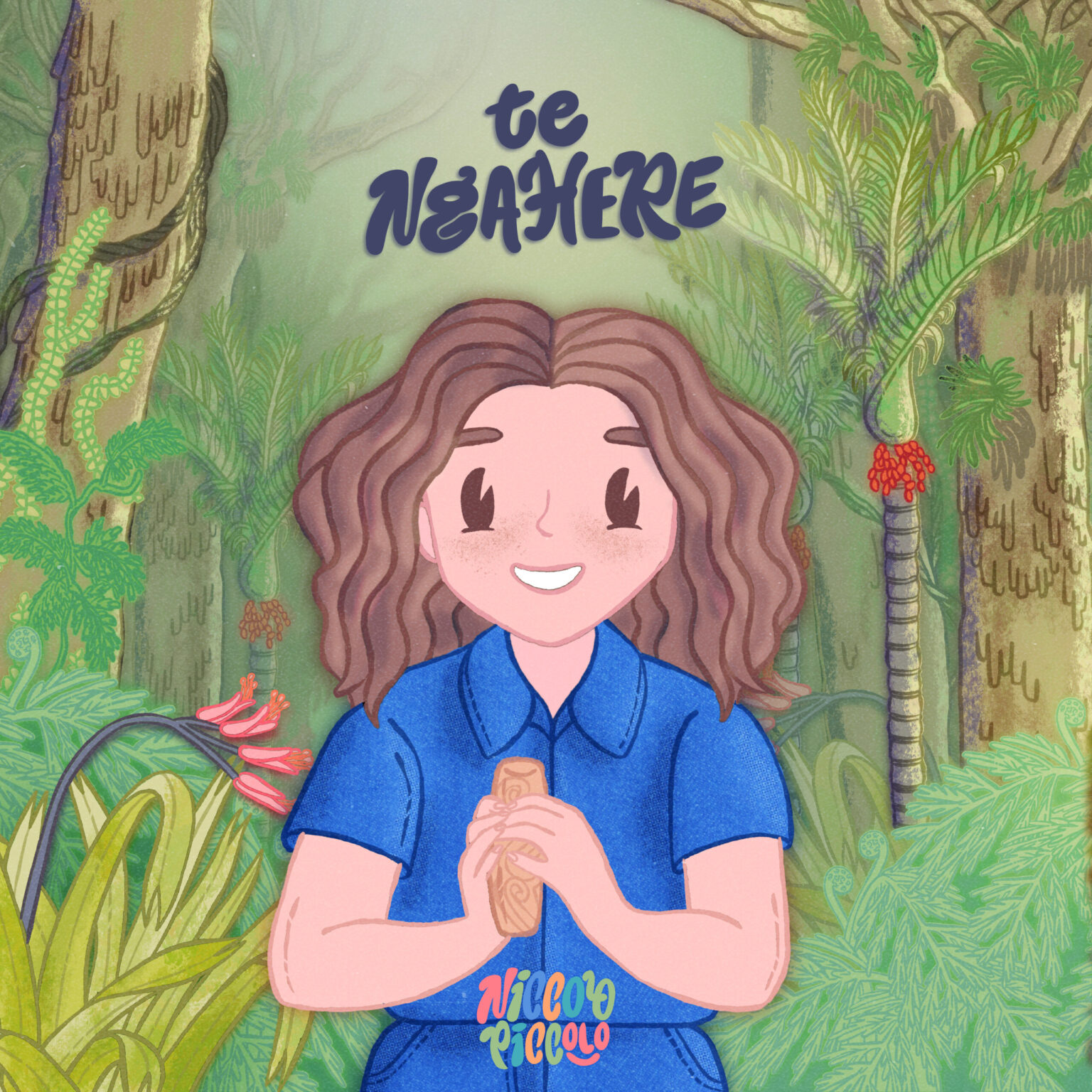
Album Review: Te Ngahere
EP Review: Welcome To The Dance Bunker
MNZ Interview: Ones To Watch: Fables
MNZ Interview: Ones To Watch: Heidi Simpson

MNZ Interview: Ones To Watch: Dawson
Muzic.NZ Interview: Hina
Album Review: Leap!

MNZ Interview: Hikurangi Schaverien-Kaa (Wellington Jazz Festival)

Festival Review: Great Sounds Great Part 1 @ Cuba Street Precinct, Wellington – 5/09/2026