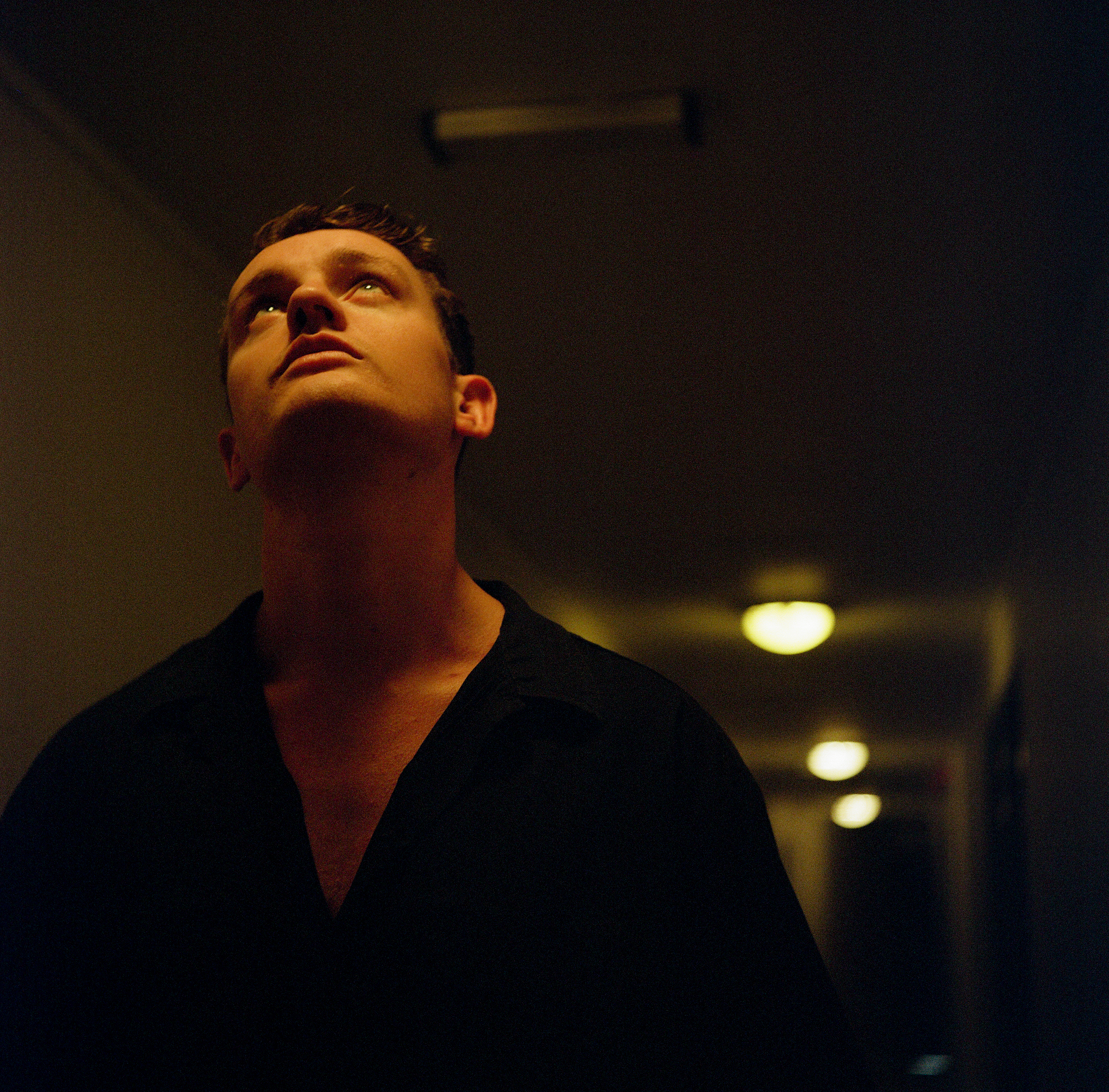
MNZ Interview: CoffeeBar Kid Cuts S02 / E11 – Myele Manzanza
Myele Manzanza
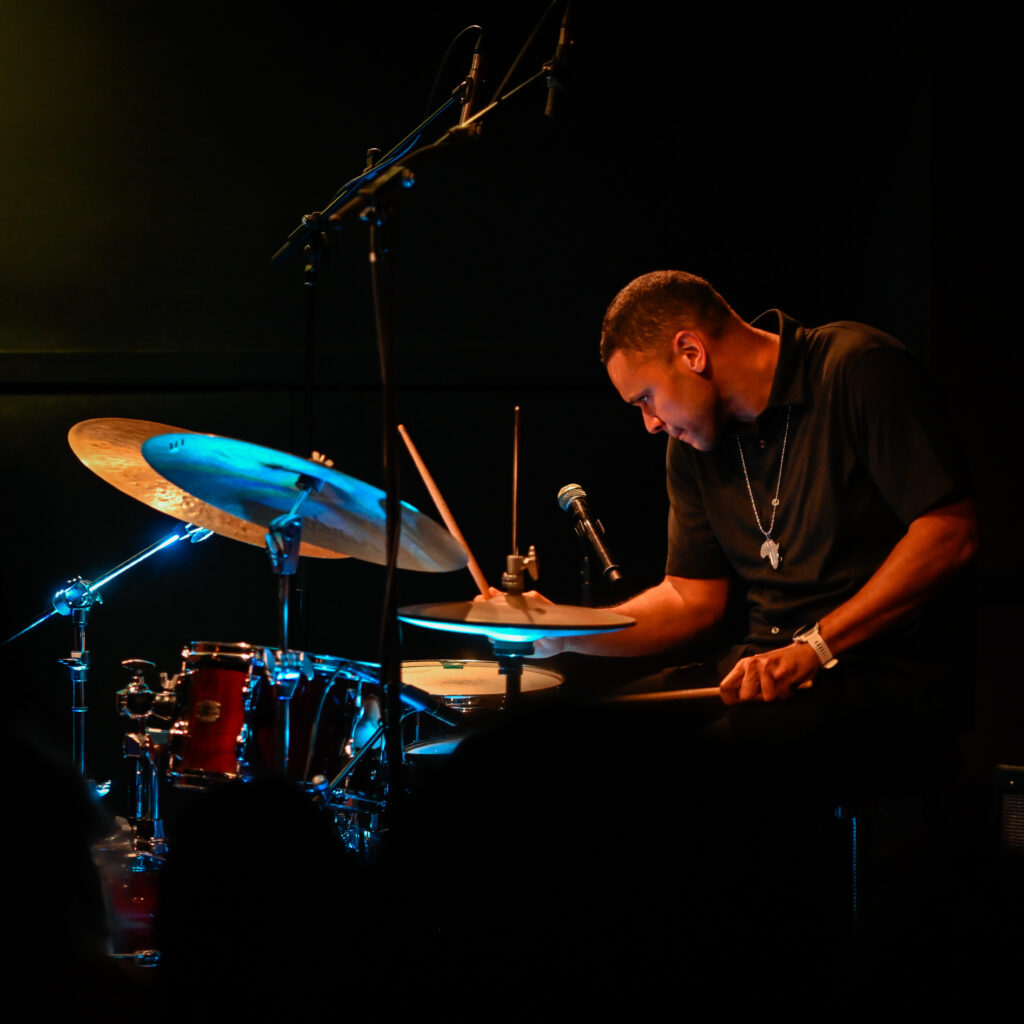

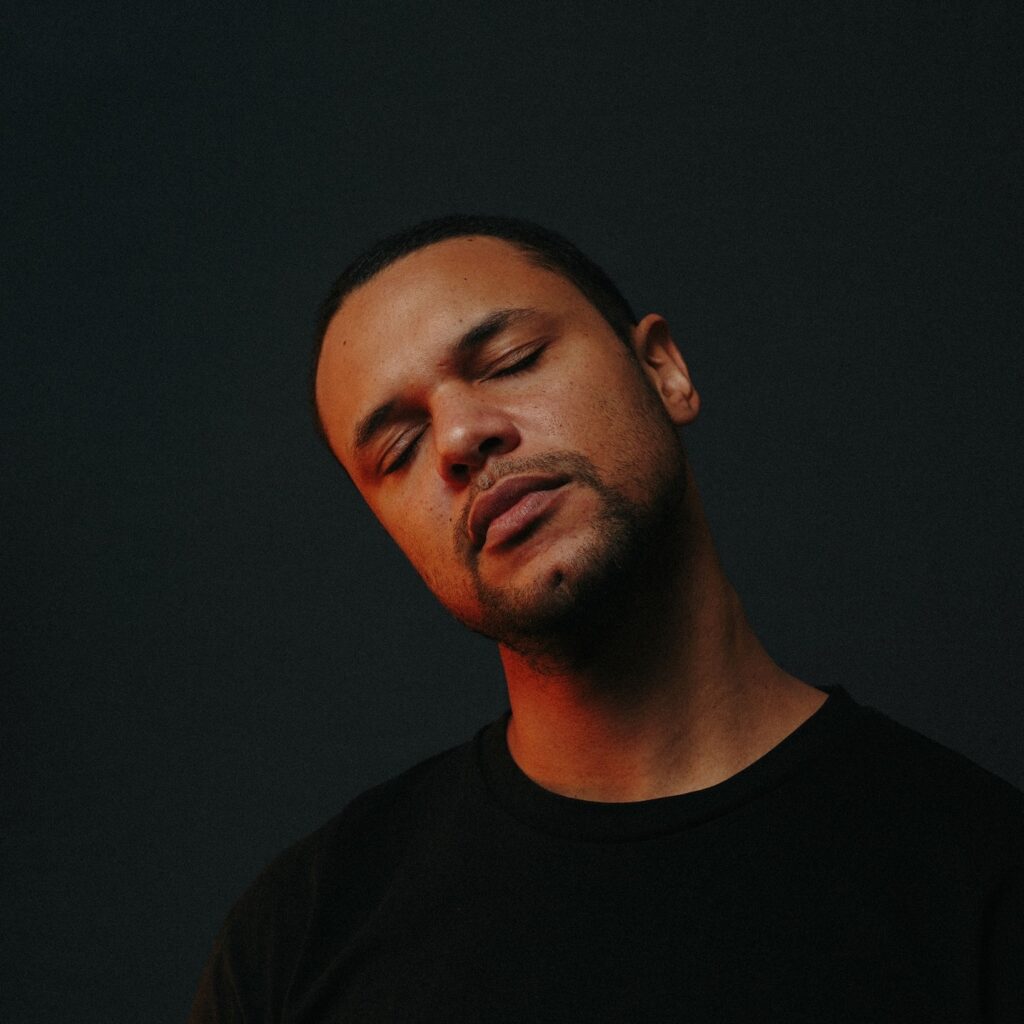
Drummer and composer Myele Manzanza is set to make a triumphant return to his hometown, bringing with him a bold new musical statement that speaks to the turbulence of our times. Performing alongside his ensemble LVDF, Manzanza will present Music for a Multi-Polar World, a groundbreaking commission for the Festival that confronts shifting global narratives through sound.
The work draws inspiration from seismic geopolitical events – including Brexit and ongoing conflicts in Gaza, Sudan, and the Congo – weaving them into a sonic tapestry that captures both the uncertainty and the hope of a rapidly changing world.
The performance will also feature selections from LVDF’s forthcoming self-titled EP – a bold and electric offering that showcases the group’s diverse backgrounds and unified artistic vision.
Myele is the son of a Congolese master percussionist, Sam Manzanza. He grew up immersed in rhythm and sound. From an early age, he absorbed the language of the drum, learning alongside his father, one of the first African musicians to perform traditional African and High Life music in Aotearoa. Influenced by hip hop, jazz, and dance music, Manzanza’s musical journey began in earnest during high school when he joined the afro-futuristic collective Olmecha Supreme, led by Imon Starr.
This early exposure to Wellington’s vibrant soul, dub, and jazz scene laid the foundation for his genre-blending style. After graduating with a degree in Jazz Performance from the New Zealand School of Music in 2008, Manzanza’s career took a global turn. In 2010, he was the only New Zealander selected for the prestigious Red Bull Music Academy in London, where he studied under musical luminaries like Flying Lotus and Roots Manuva. Since then, he has toured internationally and collaborated with a diverse array of artists, including Theo Parrish, Jordan Rakei, Recloose, and the Adelaide Symphony Orchestra. His work as a drummer, composer, and producer has earned him a reputation for pushing musical boundaries while staying rooted in rhythm and soul.
Manzanza’s discography reflects his evolution as an artist, with standout albums like OnePointOne, A Love Requited, and Crisis & Opportunity Vol.1, the latter earning him Best Jazz Artist and Best Jazz Composition at the 2022 Aotearoa Music Awards. His recent work continues to explore new sonic territory, including performances with international jazz supergroup LVDF, who will bring their globally inspired sound to the Wellington Jazz Festival later this month. Tim Gruar called him up in London to find out more about his new project, living in the UK and working with a band that is literally spread halfway across the globe.
So, where are you currently?
I’m currently in Southeast London, which is where I live, a borough called Greenwich.
Home of ‘Mean Time’.
That’s right. I moved to London in late 2019. Next month will be 7 years since I’ve been here. That’s crazy to think about. Wow. When I moved here, I got off to a good start and then COVID happened, and it wiped everything out as it did for everybody. But since COVID’s lifted, I’ve pretty much just more or less exclusively been doing just the live performance thing in various guises. About 50 to 60% of it being the ‘Myele Manzanza’ projects, the rest being either like a sideman in other people’s bands or a collaborator or a co-lead projects, such as LVDF, which I’m sure we’ll be talking about soon. I’ve also done some teaching as well. But the bulk of what I’ve been doing since being here is as a performing artist and drummer…which has been really cool. I, by no means had a bad career whilst I was in New Zealand. But in terms of like it’s this has been since moving to London, it’s been the first time I’ve kind of been able to consistently be a musician without having to have a day job. In terms of being in London, you’re also so close to so many other big cities, there’s just more work and more opportunities and varieties of work.
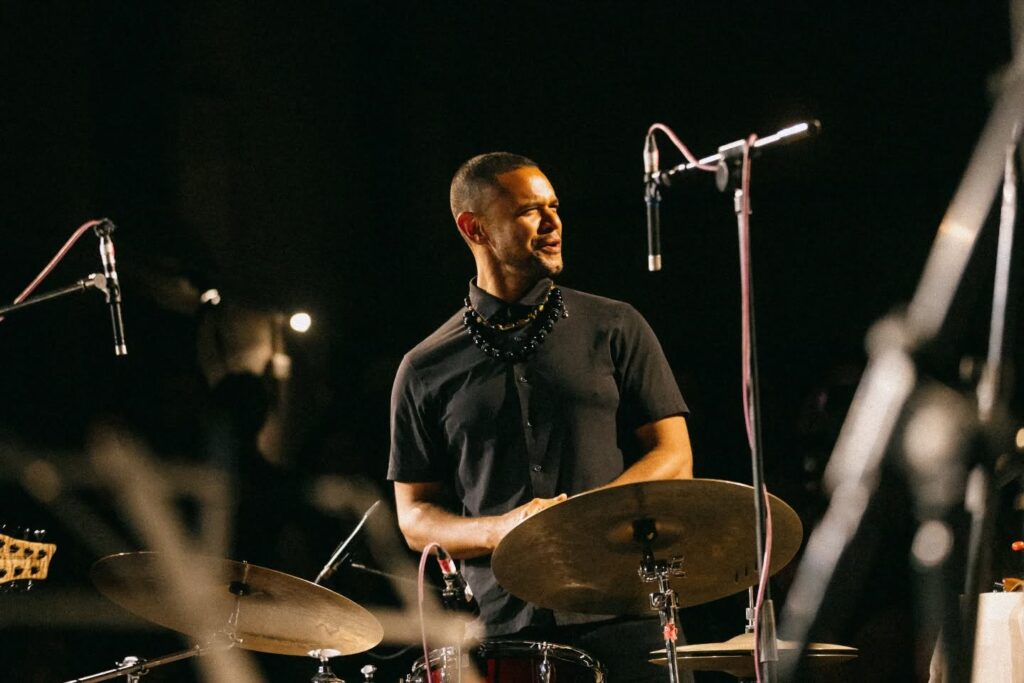
What’s it like being in the UK at the moment? We just saw a huge right wing anti-immigrant march the other day. What’s the vibe at the moment? Particularly for a musician?
Well, things still go on. Despite all those distractions. It’s funny – and this is definitely a sidebar – I’m in the middle of training for a marathon next month. I’ve been like running pretty regularly. On Saturday, which was the day of that march, I had just planned to do a long run following the Thames path from West London to East London and inadvertently kind of ran right through the through the march. It was right there, no one messed with me. But I couldn’t avoid it. I mean, maybe the world in general is getting a little bit spicy. So, that’s becoming part of daily life, like it or not.
As an immigrant to this country, I’m seeing a fairly loud anti-immigrant sentiment being aired. I just try to keep my head down. London is a big, massive metropolis. It’s like hyper multicultural. There’s like all the religions, ethnicities, so many different languages. But like 99.9% of it, everyone’s kind of coexisting relatively happily. I find that one of London’s strengths is that sort of sense of multiculturalism. Well, I do from an artistic standpoint, that mix gives you so much more to draw from. So many different influences and musical and artistic, and culinary traditions. And so, all of that, I think, kind of makes for a place and a community that I’m happy to be living in right now. I’ve got lots of friends, lots of colleagues, musical colleagues who are Christians, Jews, Muslims, West Africans, Caribbeans, South Asians, East Asians, New Zealanders and Australians. It makes for a city that’s dynamic. It was all of that which fed into my Wellington Jazz Festival piece that I’ve been commissioned to do. The title is Music for a Multipolar World.
Tell me more.
OK, how would I frame this? So for the longest time, I’ve thought of music as being something that’s kind of above the world, above like politics, above the grimy comings and goings of human life. Sure, there’s great lyricists, with political messages, love songs, songs of hope and all of that. But in terms of making instrumental music, you’re kind of just arranging vibrations into a shape in order to try and make people feel stuff emotionally or physically or intellectually. That’s sort of the idea. I’d deliberately or naively been thinking that the rest of life is separate to art, and art exists above all of that.
That music exists in its own world. Yeah, yeah.
I’ve been coming to realise that I don’t know if that’s the way forward for me anymore. Maybe I’ve been a bit naïve. That, I dare I say, I’ve been working from a privileged kind of position. I mean, relatively, I’m not rich or anything. But you know, I’ve had a happy life growing up in New Zealand where I haven’t had to deal with that much geopolitical turmoil or like real hardship. I acknowledge that. And, you know, you can try and avoid politics and geopolitics all you want, but it kind of it doesn’t really avoid you. You know like when and maybe I’m noticing this more. It’s not that London’s is more important than New Zealand, let’s say. But with more people it’s a bit more geographically connected to lots of different cultures. So maybe the various things that happen in the world resonate with communities a little louder here (in London) than they do in New Zealand, perhaps? Like, say, the war between Israel and Gaza, for example. There’s a large Muslim community in London and a large Jewish community, too.
So it’s literally on your doorstep?
Yeah, yeah, yeah. Or the war in Ukraine, you know, like that, like, I mean very close to the doorstep. Like I have like, I mean, I’m a member of this like run club and there’s like a Ukrainian refugee who’s also there, who’s was living in Odessa and had to like drop everything and come over here. And it’s like, you know, it’s not just these geopolitical actions aren’t just like crazy theoretical things all the way over yonder. They’re like actually real and affecting real people in my life. I think, yeah, I think for me personally, having to recognise that. I’m feeling emotionally affected about these kinds of things – whether it’s the Ukraine war or the Gaza war or the war in Sudan or the war in like Eastern Congo. All of this stuff. It’s more real. And to ignore that and just think: “OK, well, let’s just get back to making my nice little jazz chords” It doesn’t feel right to stay silent on that.
So, your music is starting to reflect the realities of the current world?
I mean, I’ve also recognised as an instrumental musician making primarily instrumental music. It’s not like I can write lyrics that explicitly convey those messages with words. So, when I’m writing now, there’s aspects of what I’ve been writing which is like not being afraid of using dissonance. It’s not necessarily needing everything to be pretty or to have everything to resolve in a way that’s theoretically correct. But it still has to be something that’s true to me. I want to convey some kind of a narrative about this world right now.
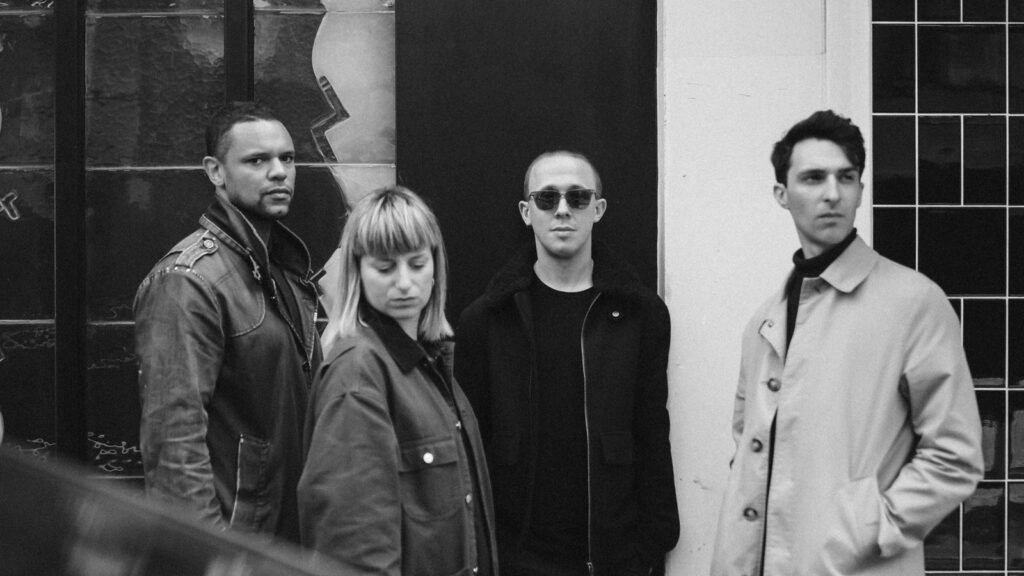
Tell me about the group, LVDF. What does the name mean? How did it come together?
Yeah, so the project was initially commissioned by the Grey Cat Jazz Festival, in Fallonica, Italy. Our bass player, Michelangelo Scandroglio, was the person who was actually commissioned.
And he brought us all together. But the idea was that it was a collaborative process rather than him writing all the music and us just playing it. The band is myself (drums), Michelangelo (double bass) Alex Hitchcock on tenor saxophone. And there’s a pianist, Maria Chiara Argirò, She can’t make the New Zealand shows, due to other commitments. So, it’s going to be a pianist Dan Hales who’s going to be filling in for her.
This project and LVDF originally stands for La Via del Ferro, which translates from Italian as the ‘Iron Way’. The reference initially was to these ancient trade routes between. Back in time Fallonica had a major iron trade and that was happening for centuries. I guess in the industrial revolution era it contributed to the building of railways and stuff. And we found it was a nice metaphor in terms of the music being the thing that connected us. Because we all live in different places – Alex is in the USA. Michelangelo lives in Paris. Maria is in Rome. I’m in London. So, we don’t all live in the same place, but we have the music. It’s like the road (the Iron Way) that connected us. La Via del Ferro (LVDF) – It is also a beautiful phrase, but it doesn’t really sound like the name of a jazz band – you’re assuming it’s kind of like a heavy metal project – Ha Ha! We were toying around with different names, but we’d already had like a few concerts and a little bit of a profile with La Via del Ferro. So, we thought LVDF would, you know, make it a little more concise, maybe make it a little more like a band name that’s open to interpretation. A nice compromise between the English speakers and the Italian speakers.
And listening to your music, what’s recorded. It’s hard to put your finger on it. I know what it’s not. It’s not the bluesy Mississippi delta or Dixieland stuff or anything like that. How do you define it?
We wanted to make something that’s cohesive, but we all also come from very different musical backgrounds. So, Maria, the keyboardist, she’s done a done a fair amount of jazz training, but her home base and her own music is kind of in the electronic indie kind of vein. She’s definitely not a conventional jazz musician. But she’s got a really great production ear. And she’s a very good improviser, as well. But she’s not out here trying to shred be-bop lines so much. She’s kind of got a different sort of flavour to her harmony. How creates tension and release in the way that all great improvisers have. But she has her own voice with it.
I obviously I love my jazz, but I also very much come from the world of hip-hop and electronic music and, you know, that Olmecha Supreme and Electric Hustle ‘school’ of music. And you know, my father’s (Sam Manzanza) has his African roots, which are very much in the way that I play as well. And then Alex is definitely overtly all about contemporary jazz artist and, I would probably say, the strongest improviser. He’s got a whole lot of, like, musical language which can very readily access. Which means he’s kind of able to jump into any situation, pretty fearlessly. And then Michelangelo also like he’s got plenty of jazz in there, too. There’s like a there’s like a freedom and like a sense of abandon in his playing, which he also pushes in different directions. Which I think is genuinely interesting. Like he’s not one to just settle on a groove and be like the pocket R&B bass player. He’s more like someone who’s wanting to proactively initiate different ideas as we’re flowing with the music. He takes risks, creates that sense of freedom. I think all of these personalities together create something that’s greater than the sum of its parts and something that we individually could come up with on our own. Because it requires so many disparate influences to make the project feel and sound the way it does.
So, I guess I’m asking how you guys work it so that you stay true to the music, but also find that room to just speak how you feel at the time.
With a lot of jazz composition, you’re composing the frameworks within which the musicians kind of improvise and create and you can, like, a higher level of specificity or lesser level of specificity, depending on the section of the piece and what the intention is. There are elements which will be explicitly written out (scored) and then there may be some license for improvisation. I’ll have a chord structure which is moderately sophisticated, let’s say. And there’s a high volume of harmonic information happening in the piece, then that needs to be outlined. Then the bassist or the pianist just has to play those chords as scored. Whereas, if you had a piece which is, like, just 4 bars of D minor, there’s a lot of room for people to kind of create within those four bars. That’s because the structure is very simple. There’s more space to improvise. I guess I’m saying that when there’s more complexity you (as composer) have to state more explicitly what you want.
Obviously, we haven’t had full rehearsals yet because we’ll be linking up with Dan in New Zealand, but there’ll be an element for me as the composer to have my written ideas tried out and then I’ll see what works best in a structured or improvised setting. And so whilst I have written quite a bit relatively explicitly, I’ll also recognize that I’ll need to have a both a level of pragmatism and also let the musicians have their way with the music as well, whilst staying true to the composition. How we get there within the moment, there’ll be certain cues where it’s going to be free here and there. But we’re not just playing to a groove or a harmony. We are trying to build tension and dissonance and volume and intensity and reintroduce the main theme. Then gradually unwind it and get to a place of resolution, yeah.
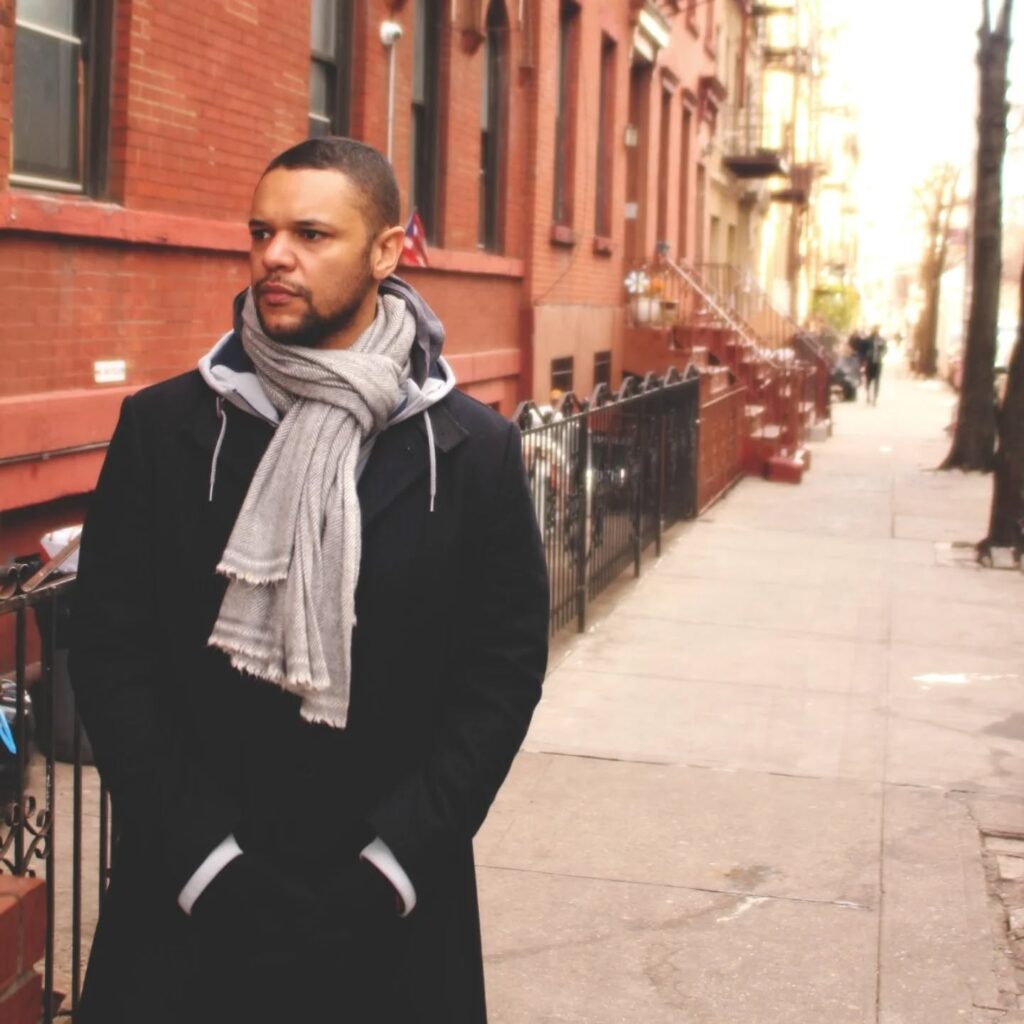
LVDF play Meow Nui Saturday 18 October, 2025 – Go to www.jazzfestival.nz/events/lvdf for more information.
Related Acts:
About the interviewer Tim Gruar

Tim Gruar – writer, music journalist and photographer Champion of music Aotearoa! New bands, great bands, everyone of them! I write, review and interview and love meeting new musicians and re-uniting with older friends. I’ve been at this for over 30 years. So, hopefully I’ve picked up a thing or two along the way. Worked with www.ambientlight.com, 13th Floor.co.nz, NZ Musician, Rip It Up, Groove Guide, Salient, Access Radio, Radio Active, groovefm.co.nz, groovebookreport.blogspot.com, audioculture.co.nz Website: www.freshthinking.net.nz / Insta @CoffeeBar_Kid / Email [email protected]
More by Tim Gruar
Album Review: Motoring For Beginners
MNZ Interview: Capital City Big Band
MNZ Interview: Louis TM
MNZ Interview: Tourist
Album Review: Te Ngahere
EP Review: Welcome To The Dance Bunker
MNZ Interview: Ones To Watch: Fables
MNZ Interview: Ones To Watch: Heidi Simpson
MNZ Interview: Ones To Watch: Dawson