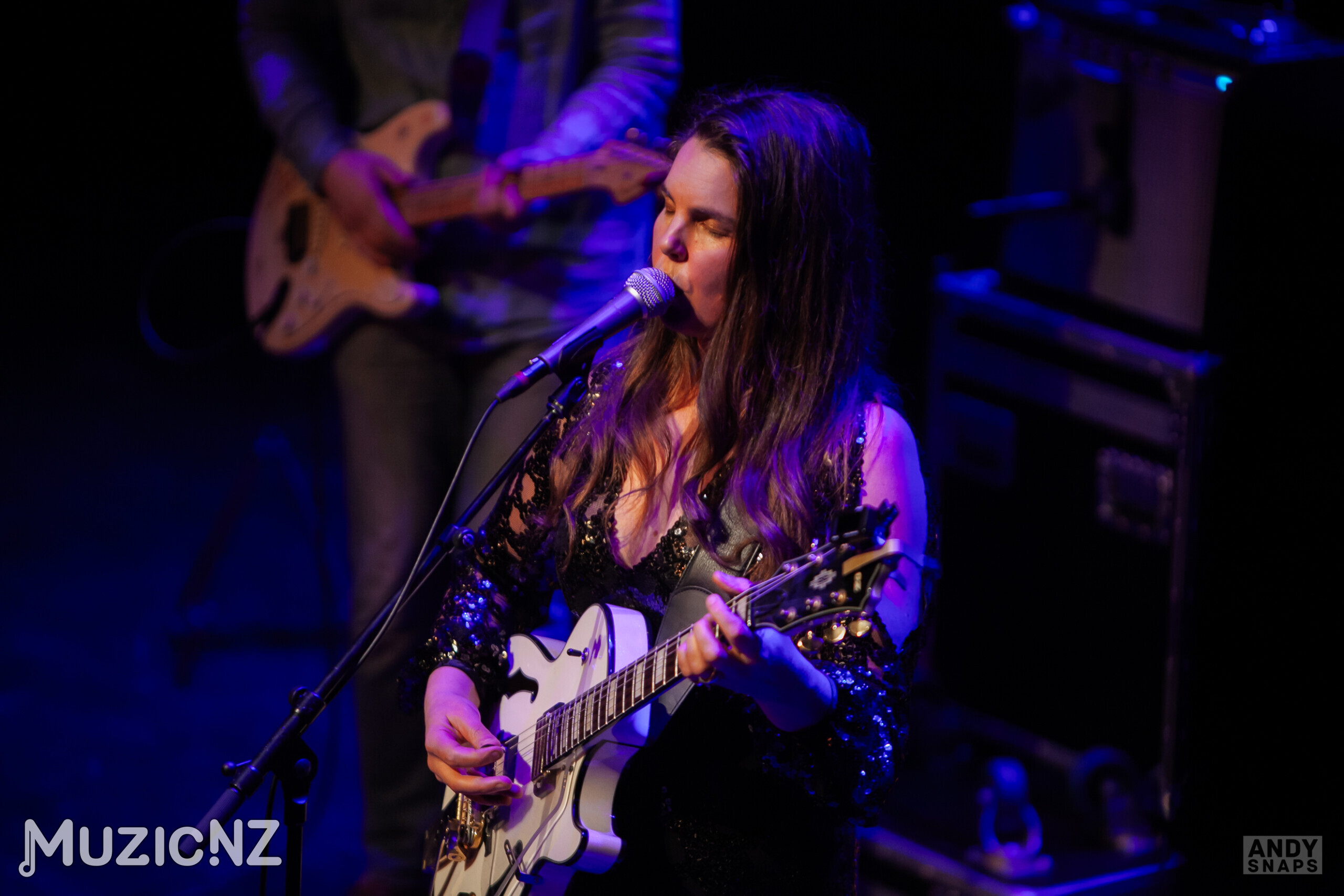
While researching Mel Parson’s newest album, Castle Hill, I found myself sliding down a statistical rabbit hole. The figures I found are deeply alarming. Domestic abuse remains one of Aotearoa New Zealand’s most serious social crises. Ministry for Women data shows that 55% of New Zealand women have experienced abuse from an intimate partner, with Māori and young women disproportionately affected. Police attend a family harm incident about every four minutes – roughly 360 incidents a day – yet many cases of family and sexual violence still go unreported, meaning the true scale is likely far greater. Against this backdrop, Justice Minister Paul Goldsmith has signalled plans to reform sexual consent laws so consent must be actively communicated as a “yes,” rather than inferred from the absence of a “no.” The proposed changes would make clear that silence is not consent, consent can be shown through words or actions, and past relationships do not imply ongoing consent, while retaining the existing burden of proof in criminal prosecutions.
That bit of research was prompted by one of the most arresting songs, Don’t Leave The Light On, which appears on this new album. It’s a stark alt-folk ballad confronting domestic abuse. Parsons approaches the subject with unflinching honesty, allowing the lyrics to carry the emotional weight while the arrangement remains sparse and intimate. The song highlights themes of emotional abuse and ultimately finding the strength to leave.
“You look quite ridiculous / What are you wearing now? / Who are you wearing that for? / I’m embarrassed by you anyhow / You’ve put on a few pounds / Don’t you eat that junk / You’re just being lazy / You should go for a run / You cannot control me with / Your insidious ways / I will find a way out and I’ll be gone, gone, gone.”
Sometimes it’s the quiet that shouts loudest. Her phrasing and tone remain steady throughout; she resists changing voices or heightening the drama, and that restraint makes the song even more powerful. It draws you in, making you listen more closely to each lyric and process its meaning on a deeper level. It is a brave piece of songwriting, one that resonates without resorting to sentimentality. The track also reminds us of Parsons’ ability to address difficult themes with clarity and compassion.
While that track certainly grabs you, it is not the only standout moment on the album. The opener, Grain By Grain, sets the emotional tone with its ocean metaphor. According to the liner notes, Parsons wrote it during a reflective period, drawing on the image of beaches being worn away and rebuilt by the tides to explore resilience and acceptance. There is also a positive undercurrent here, a sense of looking for support after a fall: “The waves wash in and out of me / I am sand I feel no pain / The waves wash me over again / Grain by grain by grain by grain / You build me up over again.” I did wonder whether the implied “fall” might relate to some form of addiction, particularly in the lines, “Falling off the wagon is not the end / Even when it feels that way my friend.” Musically, a shout-out is due to cousin Jed Parsons, whose skipping snare cadence gives the song a lightness and lift that reinforces its hopeful energy.
The accompanying video, directed by Adam Hogan and filmed at home territory, Loons, Lyttelton, gives the song a raw, intimate visual texture. Shot in black and white, it looks as if it were captured on a handycam, its rough immediacy adding to the track’s reflective mood. Rather than over-explaining the song, the footage relies on small gestures, shifting light, and quiet movement, creating a restrained visual companion to its themes of erosion, recovery, and renewal.
Caravan rolls in with that familiar Parsons blend of road dust, memory, and emotional weather. It captures the way travelling can stir up old ghosts – places, people, half-remembered moments – and turn them into something quietly affecting. Rather than leaning too heavily on nostalgia, Parsons keeps the song moving, threading those personal reflections through a melody that feels warm, open, and gently forward-looking. The touring band adds to that lived-in feel: Jed Parsons on drums, Aaron Stewart on bass, and Josh Logan on guitar all sound completely at home in her world, giving the track an easy chemistry and a natural, road-tested glow.
By contrast, Be Here Now slows things down and lets the record breathe a little. It is a softer, more reflective moment, built around the idea of staying present rather than being dragged backwards or pushed too far ahead. What makes this track a bit of a standout gem is Mitchell Froom’s keyboards which inhabit the mix so comfortably, adding sparkly colour and atmosphere without dominating the ear-span. It’s a quiet highlight, for sure. A beautifully measured song that gives you room to pause and take it in.
Two other notable tracks, Brick By Brick and the woozy upper-downer Post High Slide, have already earned airtime and charted on RadioScope’s alternative charts in 2025. Both feel central to Parsons’ current direction, stretching her folk roots into a looser indie space without losing the intimacy of her songwriting. They are not a sudden leap into rock territory, but they do show an artist quietly testing new shapes and keeping the sound moving forward.
Not Enough sits in that beautifully uneasy Parsons’ territory – where doubt, fatigue, and vulnerability are wrapped in warmth rather than melodrama. It is melancholy, yes, but never hopeless; even at its lowest ebb, there is still a faint light coming through. Parsons seems to have a natural gravity that pulls toward the sadder stuff. Here that emotional honesty feels completely unforced. explores the quiet heaviness of self-doubt and emotional exhaustion, while still carrying a thread of hope through its gentle instrumentation and understated optimism.
“Writing songs like these sad ones is quite natural for me,” she says in her press release, “It’s probably a bit incongruous when people know me as an upbeat optimistic kind of person, and then sometimes this quite dark stuff comes out in my work. It doesn’t faze me really, I think it’s part of being a normal, complicated multifaceted human. As always, I hope this song can make people feel something – maybe even bring some comfort.” “It’s a song,” she continues “about those times when you’re really very low and feeling like whatever you try, you’re just not quite cutting it.” Even with lyrics this bleak, the music carries a quiet optimism, that sense that sometimes you just have to sit with the low points and trust that things will eventually come right again.
Clean Slate explores the consequences of breaking away (“I can’t listen to the radio no more / because everything reminds me of your soul)”. The ghosts remain. Regretting the ‘clean slate’ – I can hear you singing through the bathroom door / I can feel your footsteps down the hall”.
Time Slows Down, ironically, is not what it says on the tin. It’s a big, bolshy band number. Stories of moving on through the years, babies born, growing up, all of that: “Can’t quite believe all the things that we’ve done / Places we’ve seen /Tears and the fun. Time slow down.”
The energy stays high as the album rounds off with The Rain. I love this track. Jaunty, driving beats, more of those delicious keyboards – Mitchell Froom again? – and a cool, dark bass undercurrent in places too. Another redemption song, perhaps: the cleansing power of water washing away the grime of some undisclosed event or memory. “I’m waiting for the rain,” goes the chorus, “I’m rinsing out my brain…” Fabulous phrase!
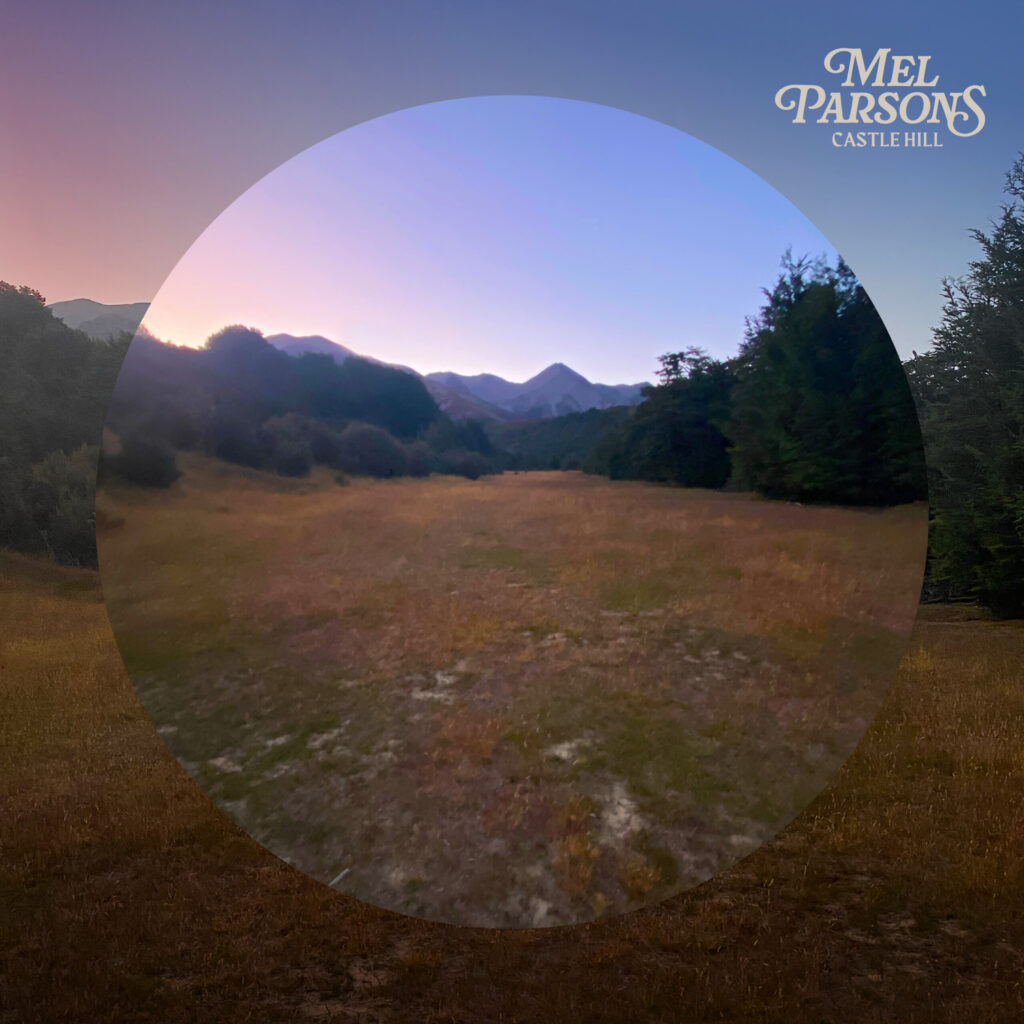
Castle Hill takes its name from the limestone rock formation of Kura Tāwhiti / Castle Hill in inland Canterbury, between Darfield and Arthur’s Pass, and is also the title of Parsons’ album, recorded live there during what Parsons has called “a stolen summer holiday,” with Josh Logan producing. That setting matters: you can hear the loose, communal feel of players working quickly and closely, with long-time bandmates Aaron Stewart and Jed Parsons joined by Ben King on guitar, giving the album its warm, lived-in pulse.
The album lands at a strong moment in Parsons’ career: she is a finalist for Best Folk Artist at this year’s Aotearoa Music Awards, while 2024’s excellent Sabotage earned nominations for the Taite Prize and Album of the Year at the 2025 AMAs. Sabotage leaned darker and more inward, but Castle Hill feels warmer, broader, and more open – rooted in resilience, connection, landscape, and a fuller band sound.
Castle Hill feels both intimate and wide open – a record shaped by place, people, and Parsons’ steady sharpening as a songwriter. It moves from resilience to confrontation to something like acceptance, carrying the hush of the landscape and the easy pulse of a band, familiar and trusting, playing in close quarters. It’s warm without being soft, grounded without feeling small, and easily one of her most assured releases yet.
Related Acts:
About the author Tim Gruar

Tim Gruar – writer, music journalist and photographer Champion of music Aotearoa! New bands, great bands, everyone of them! I write, review and interview and love meeting new musicians and re-uniting with older friends. I’ve been at this for over 30 years. So, hopefully I’ve picked up a thing or two along the way. Worked with www.ambientlight.com, 13th Floor.co.nz, NZ Musician, Rip It Up, Groove Guide, Salient, Access Radio, Radio Active, groovefm.co.nz, groovebookreport.blogspot.com, audioculture.co.nz Website: www.freshthinking.net.nz / Insta @CoffeeBar_Kid / Email [email protected]
More by Tim Gruar
Album Review: Leap!

Festival Review: Great Sounds Great Part 1 @ Cuba Street Precinct, Wellington – 5/09/2026
Festival Review: Great Sounds Great: The Night Before @ Newtown Village, Wellington – 4/09/2026
Gig Review: Mel Parsons @ Opera House, Wellington – 05/09/2026
Album Review: Descending Dreams
EP Review: Extended Paranoia
Album Review: Brain Storm
Album Review: Ceiling Waves
Gig Review: Parrotdog Presents @ Parrotdog, Wellington – 1/08/2026
Album Review: 4EPs
Gig Review: The Veils @ Meow Nui, Wellington – 04/07/2026
Gig Review: Shayne P. Carter @ Lōemis Festival, Michael Fowler Centre, Wellington – 19/06/2026