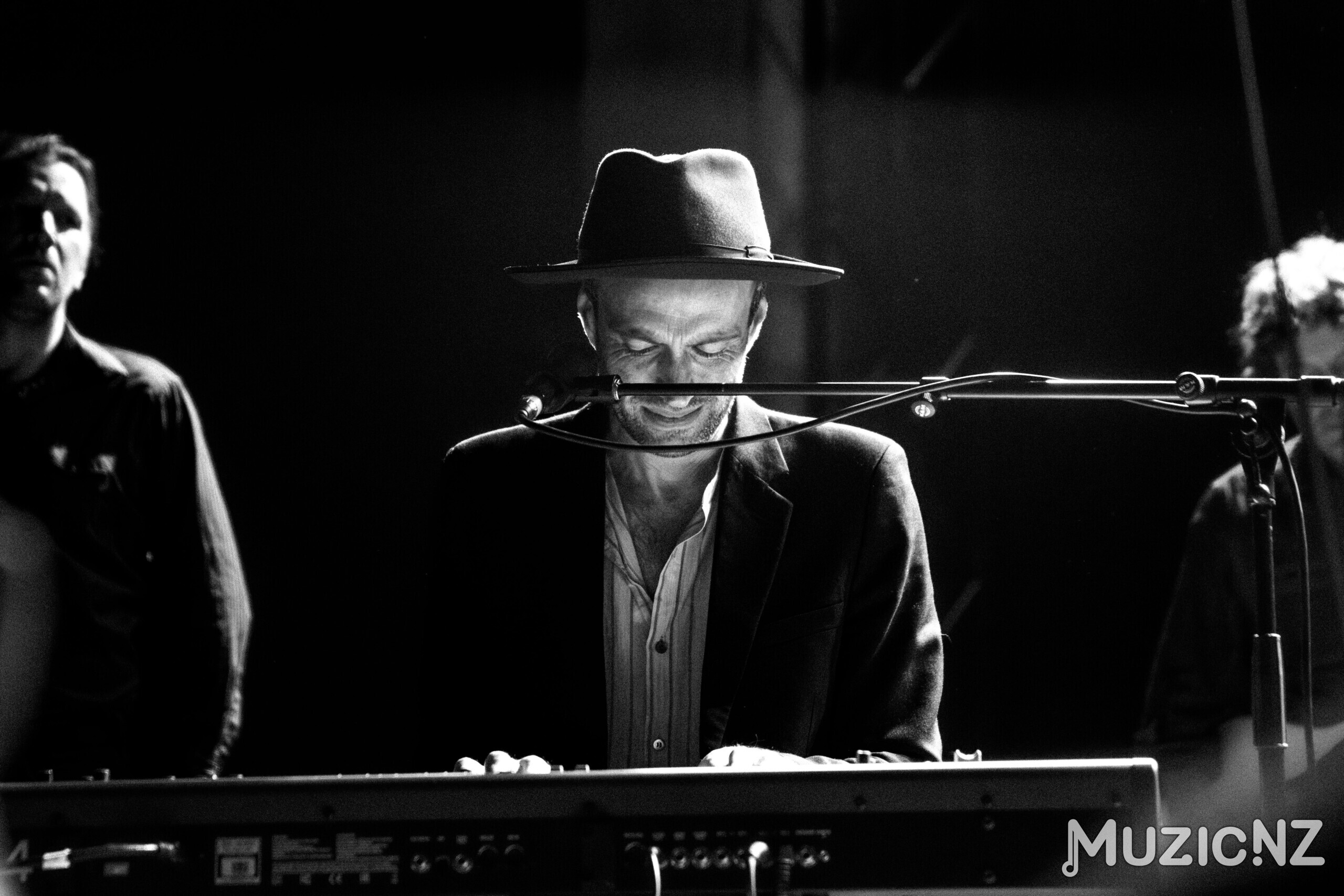
Dub first slipped the leash in Jamaica in the late 1960’s and early 1970’s, when studio engineers stripped reggae to its chassis – bass, drums, space – then rebuilt it in echo, reverb and delay. King Tubby turned the mixing desk into an instrument; Lee “Scratch” Perry, Augustus Pablo, Scientist and Prince Jammy sent the sound spinning further into the dark. Here in Aotearoa, Herbs and Dread Beat & Blood laid the foundations before Unitone HiFi, Nemesis Dub Systems, Hallelujah Picassos, Pitch Black, Salmonella Dub and The Nomad forged something recognisably local. Trinity Roots, The Black Seeds, Fat Freddy’s Drop, Shapeshifter and Kora later carried that bass-heavy mutation into larger rooms. Peter McLennan’s no latecomer rummaging through dub’s wardrobe. Nope. He’s one of the OGs: musician, producer, DJ, writer, archivist and label operator, with several frequencies seemingly bleeding through his headphones at once.
Best known as a founding guitarist in Hallelujah Picassos – whose late-80’s collision of indie rock, ska, hardcore punk and hip-hop treated genre rules as an administrative nuisance – he had already passed through punky rockabilly trio The Rattlesnakes. His wider orbit includes The Worst (1980’s), Bassteppa Sound System and Projector Mix. His electronic work has surfaced as Dub Asylum and with Kilodee. Oh, and don’t forget his 2024 book about the deep grooves scene. If his career proves anything, it’s dub’s oldest law: no riddim is ever finished; it is merely waiting for someone to haunt it again.
Dub Asylum is McLennan with machines humming: a one-man pressure chamber of crunchy programmed drums, samples, skanking keys, guitar splinters, foundation-rattling bass and enough reverb to invent its own weather. Whilst the project has shared stages with Salmonella Dub, Fat Freddy’s Drop, The Nomad and The Black Seeds, McLennan has never sounded eager to join anyone’s roots-reggae conga line. His dub is less reverent homage than cheerful sabotage – a place where rhythm and texture are dismantled, relabelled and wheeled back onto the dancefloor with one loose screw still singing inside.
McLennan launched Loopy Fruit Recordings in 1999 as a vehicle for Dub Asylum, beginning with the debut EP Dub Never Sleeps. After two releases through Antenna Recordings, he revived the label in 2005 when Antenna went dormant – less brand than direct pipeline from studio to listener. Loopy Fruit has since carried Dub Asylum titles including She Dubs Me, She Dubs Me Not (2002), Ba Ba Boom! EP (2008), Stereo Freeze EP (2011), and She Dubs Me Remix EP (2012).
That DIY freedom lets McLennan chase ideas too crooked for the usual release treadmill, while his writing for AudioCulture and his Dub Dot Dash blog keeps him plugged into the music’s history and present-tense arguments. But the bunker cuts both ways: stay inside your own ecosystem long enough and a signature can fossilise into habit. This EP is most alive when McLennan rattles the lock from within.
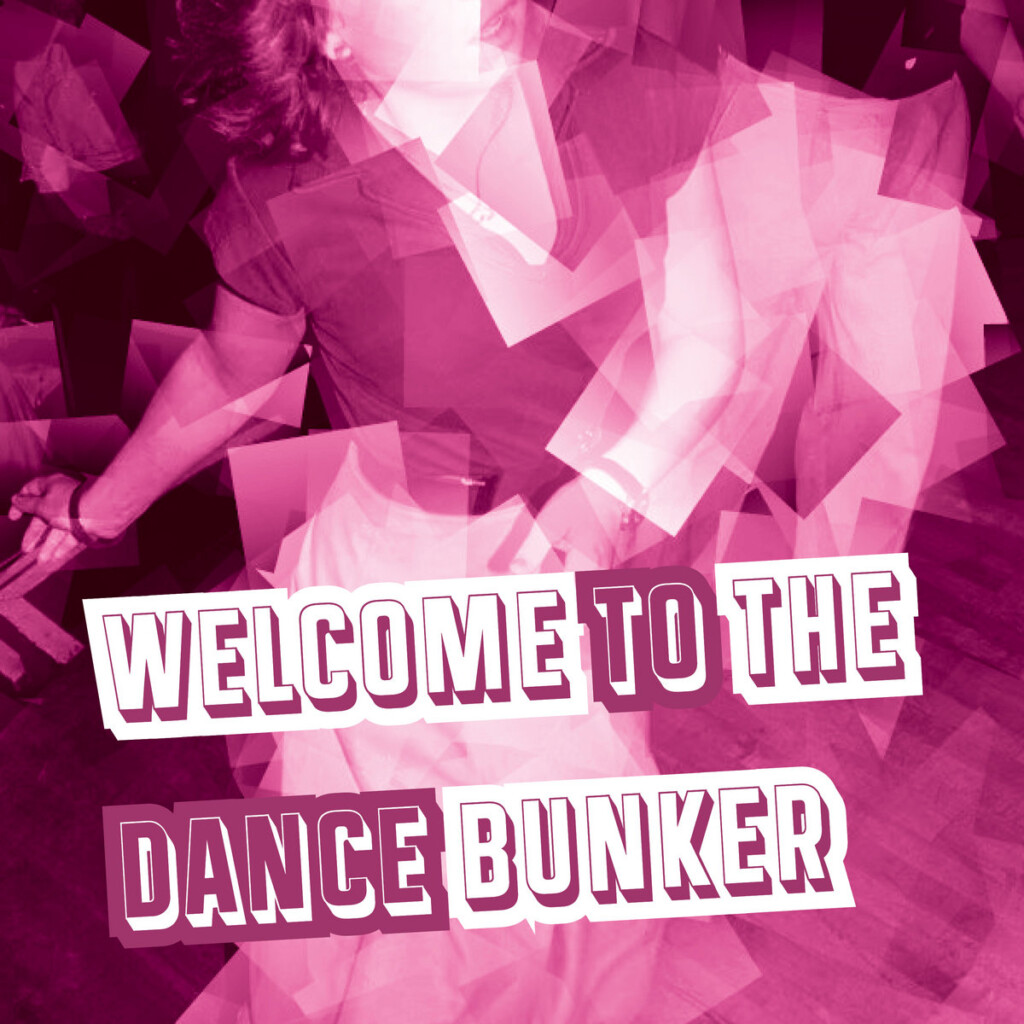
Fresh out on Loopy Fruit, Welcome to the Dance Bunker corrals five slices of “bass, bleeps and beats” made through a midwinter Tāmaki Makaurau. McLennan wrote, recorded, mixed and mastered the EP at Federal Recorders, playing keyboards, electronic percussion, samples and guitar and programming the drums himself. The palette slips between uptempo dancehall, downtempo pulse, bleeping synthesisers and shuffling rhythms. Here, dub isn’t worn like a vintage jacket. It behaves like a solvent: sounds rise, blur and ricochet across the walls, leaving luminous stains in the silence.
The “bunker” is a potent image, though not an entirely flattering one. This is dance music built indoors and below ground, restless to move yet carrying the stale breath of winter cabin fever. McLennan calls it haunted dancehall and spooky dub. Fair enough. But its chill comes less from gothic theatre than from percussion, echoes and tiny electronic details misbehaving at the edge of the mix – mind-warping delays, sternum-heavy bass, meditative repetition and sudden sparks of noise. The room is sealed, the lights are low, and every echo sounds like it knows a way out. Yet the atmosphere can also feel hermetic: five shadows cast by the same flickering bulb rather than five fully separate worlds.
Steelerz Riddim is the opening single and the EP’s clearest invitation to shift something: a buoyant, uptempo reggae-dancehall workout of crisp programmed percussion, spring-loaded accents and dub treatments that leave each hit levitating for half a heartbeat. Steelerz Riddim taps McLennan’s recent fascination with steel-drum colour, but the metallic shimmer is worked into the riddim rather than waved around like a tropical souvenir. The groove is sturdy, physical and immediately likeable, though its polish borders on clinical. The floor moves, but the dust never rises. Even so, it neatly establishes the record’s central tension: disciplined construction haunted by sounds desperate to mutate.
There’s a glint of eco-warrior mischief in Who Wants To Hear You Wail About Orcas? It’s peak McLennan: dry, faintly ridiculous and barbed – the sort of abandoned talkback-radio topic that might drift in from an aquarium after midnight. The music heads for stranger water, turning dub’s fascination with space into something damp, marine and mildly uncanny. Bass rolls like a black tide; synthetic calls and echo suggest messages travelling through a vast, lightless environment. The trademark dub chords are the buoys keeping the track afloat, while ‘tin can’ clashes in the percussion add something noisy, corroded and pleasingly natural.
Then we go ‘deep jungle’ – space meeting tropics somewhere beyond the last reliable map. Cool Mythical Uptempo Mystery is my favourite headphones indulgence, its title supplying the operating instructions: temperature, fantasy, pace and uncertainty. It conjures Lee ‘Scratch’ Perry flying the Ark like a rocket ship around the moon, controls blinking, gravity optional. Cool, trippy and pleasingly slippery, it turns bleeping synths and clipped rhythmic events into clues for a puzzle that refuses a solution. The “mythical” arrives not as story but as vapour. At its best, this is the quizzical sound design long associated with Dub Asylum: an odd noise peers from behind the couch, takes the room’s measure, then vanishes before language can catch it.
Oddly, we don’t reach the reception until track four, Welcome to the Dance Bunker. Late to its own party and the shortest cut here, the title track still compresses the EP’s whole kaupapa into a cramped, resonant room. A shuffling pulse suggests bodies negotiating the dark while reverberation worries at the walls like damp. A strange repeating note recalls early Art of Noise flourishes around Paranoimia. McLennan’s economy is deft: bass, percussion, keys and effects pass the foreground between them like a contraband torch. But restraint cuts both ways. It’s useful enough for dancing and strange enough to hold the ear, yet it ends before the claustrophobia becomes genuinely dangerous – or properly cathartic. The bunker has superb acoustics. What it needs is an emergency exit.
Finally comes the deep, deep bass – Sly and Robbie glimpsed through smoked glass. The closing and longest track, Straight Choices, Strange Noises, is a pocket-sized dub manifesto. McLennan’s decisions are plain: establish the rhythm, anchor the bass, leave air for the ghosts. What inhabits that framework is anything but straightforward. Electronic chirps, processed fragments and dub after-images make the arrangement steadily more peculiar without knocking it off balance. That stability is both skill and limitation. Too often, the strange noises decorate the straight choices rather than overthrowing them; the furniture levitates, but the room remains intact.
These five tracks don’t redraw dub or dancehall from scratch. Instead, they catch an experienced musician following rhythm into agreeably crooked corners, armed with sharp ears and a curious reluctance to let the floorboards completely collapse. McLennan knows exactly how to make a room tremble; the unanswered question is whether he is willing to let it cave in.
Studio dub often invites comparisons with Thievery Corporation, Leftfield or The Nomad, but the sound here is more technical and unapologetically digital: circuitry with a pulse, machinery dreaming in bass. It demonstrates what these tools can do and makes a neat case for the freedom of a genuinely independent label – solid craft, playful autonomy and an enduring appetite for noises that refuse polite company. Yet every bunker eventually needs breaching. McLennan has built the room beautifully; the next real thrill may arrive when he lets chaos kick in the door. On Welcome to the Dance Bunker, Peter McLennan turns a Tāmaki winter into five tracks of bent dancehall, bass pressure and electronic debris: ingenious at its best, airless at its edges, and always listening for ghosts in the machinery.
Related Acts:
About the author Tim Gruar

Tim Gruar – writer, music journalist and photographer Champion of music Aotearoa! New bands, great bands, everyone of them! I write, review and interview and love meeting new musicians and re-uniting with older friends. I’ve been at this for over 30 years. So, hopefully I’ve picked up a thing or two along the way. Worked with www.ambientlight.com, 13th Floor.co.nz, NZ Musician, Rip It Up, Groove Guide, Salient, Access Radio, Radio Active, groovefm.co.nz, groovebookreport.blogspot.com, audioculture.co.nz Website: www.freshthinking.net.nz / Insta @CoffeeBar_Kid / Email [email protected]
More by Tim Gruar
Album Review: Leap!

Festival Review: Great Sounds Great Part 1 @ Cuba Street Precinct, Wellington – 5/09/2026
Festival Review: Great Sounds Great: The Night Before @ Newtown Village, Wellington – 4/09/2026
Gig Review: Mel Parsons @ Opera House, Wellington – 05/09/2026
Album Review: Descending Dreams
EP Review: Extended Paranoia
Album Review: Brain Storm
Album Review: Ceiling Waves
Album Review: Castle Hill
Gig Review: Parrotdog Presents @ Parrotdog, Wellington – 1/08/2026

Album Review: 4EPs
Gig Review: The Veils @ Meow Nui, Wellington – 04/07/2026