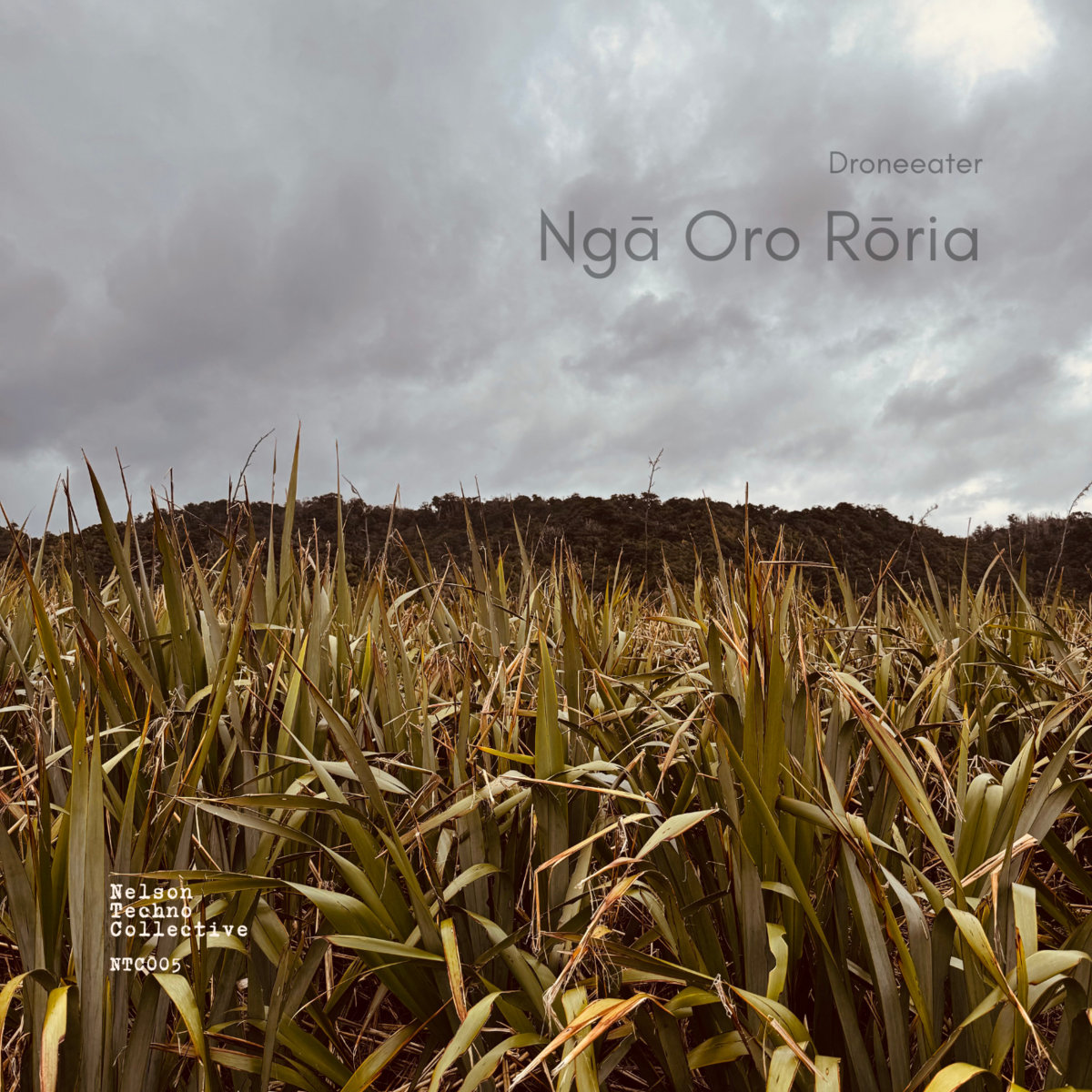
Droneeater Release New EP ‘Ngā Oro Rōria’
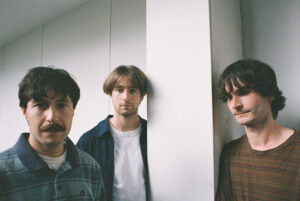
Droneeater emerged out of the desire to explore the microtonal, drone elements developed in Māori mōteatea. Beginning with the guitar and voice, the project has grown to include taonga pūoro, percussion and electronic music production and is both a studio and live project. Droneeater’s whakapapa connections link him to Te Ātiawa and Ngāti Porou and he and his whānau live in Whakatū where there is a rich musical and Māori cultural spring to draw from.
Written between 2024 and 2025, the waiata on the Ngā Oro Rōria EP are the first works to be officially released by Droneeater after he and his whānau moved from Te Ika a Māui to Whakatū. The songs contribute to the growing, and powerful, body of waiata that successfully present te reo Māori as a language thoroughly at home on the dancefloor – kia rere te reo Māori, ahakoa kei hea. Despite the best attempts by our current kāwanatanga, te reo Māori can be heard across the motu, in traditional and innovative contexts. This wave cannot be stopped. As Hirini Melbourne once sang “kōrero Māori i ngā wā katoa. I te ao, i te pō.” Speak Māori all the time, everywhere.
At 94 BPM, Dirge naturally leans towards the contemplative with the plodding sampled mōteatea dragging the listener into a space of rhythm-fuelled meditation. The kupu present the author as if flying over the wāhi tapu of his homeland, yearning to see once again lands that have been left behind. Despite its lethargic tempo, Dirge successfully primes the dancefloor through injections of troupes from faster, more traditional dance music.
Tō Wairua recasts the story of Hine Takurua and Hine Raumati and their relationship with Tamanuiterā, giving the two wāhine a voice by asking ‘what is the shape of their longing?’ Their perspectives, their nostalgia, are pulled across into sexy house music territory, weaving reo words of ache through the dancefloor. The raw emotion of the kupu are highlighted in the vocal edit while the club edit dials up the dance intensity.
Nestling comfortably into house music’s kick-and-clap, the aptly named Whare begins and ends with thick, syncopated, percussion before descending into a slowly evolving hypnotic loop. The bridge invites kōauau and pūtorino into the mix, both recognisably and in edited, distorted, alien forms. Finally, a whakatauākī attributed to Kīngi Pōtatau Te Wherowhero is brought in, using the metaphor of a whare being built as a symbol of cultural resilience.