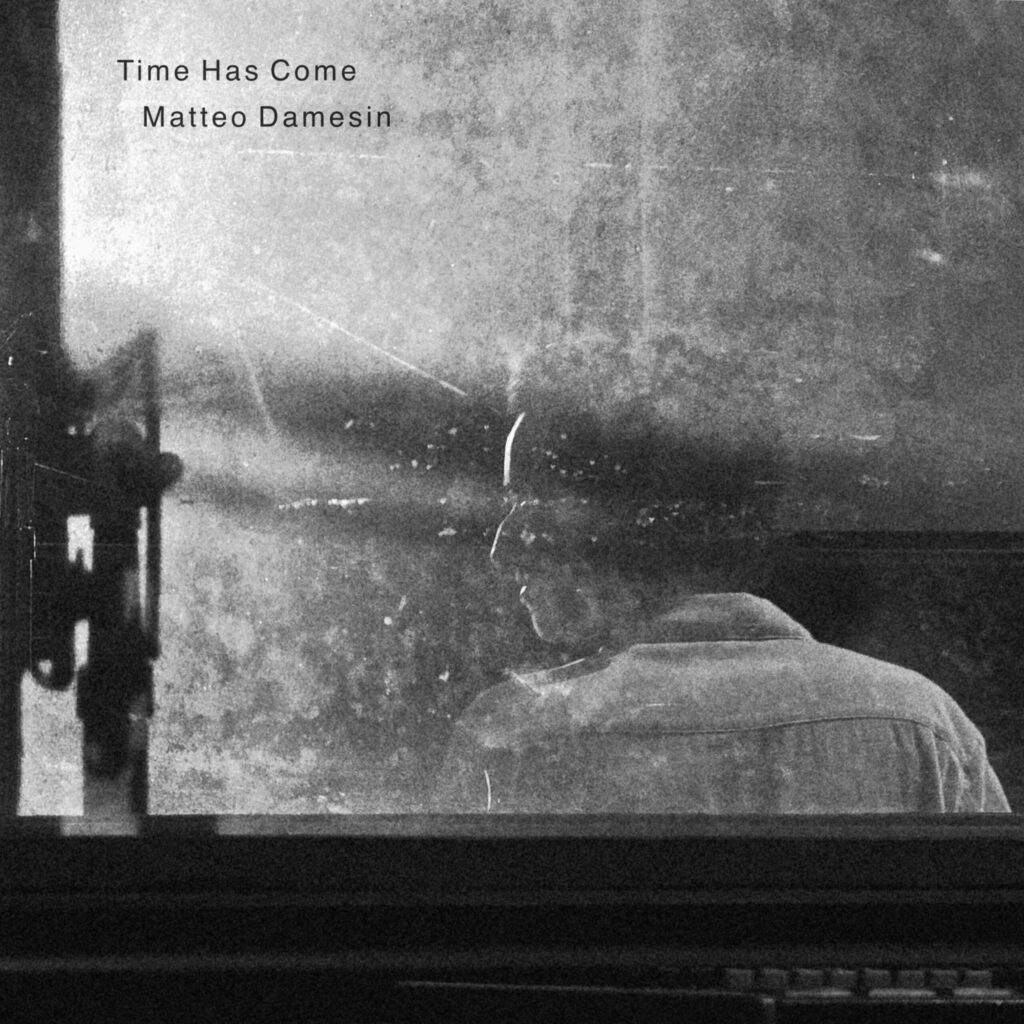
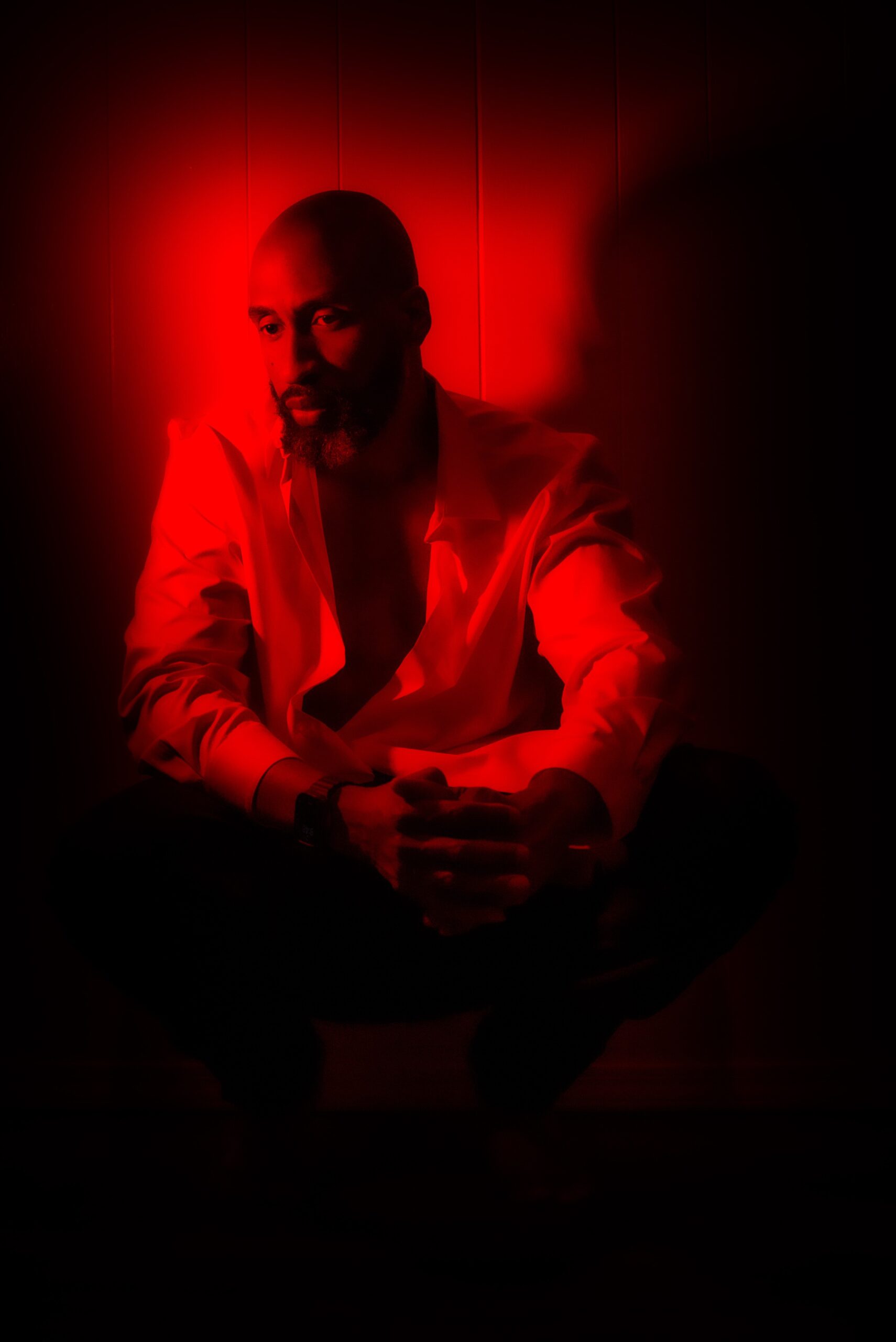
Matteo Damesin is a jazz pianist of French descent and an alumnus of SAE Institute in Auckland. His debut album Time Has Come is an exquisite introduction to his artistry; an impressive first release that demonstrates a deep understanding of harmony, melody, and motif. The record pays careful attention to recurring musical ideas, building a sense of familiarity and emotional attachment to its sound, while showcasing Damesin’s distinct approach to playing.
Time Has Come is a vibrant opener to a journey of emotion carefully cultivated by Matteo. The piano keys emulate something of a gallop through time, propelled by a double bass and brushed drums that bring out the subtlety and warmth of the arrangement. There is an intensity in his playing that feels like joy intertwined with a worker’s energy; perhaps the feeling of someone moving purposefully through the masses on a subway line, carrying momentum toward a destination and beginning a project with determination and conviction.
Cascade is more flavourful and poised, like a moment of pause within the project. Its melody feels reflective and heartfelt, giving more space for the double bass and drums to breathe through their own smaller sections, which also feel like a build-up within the album itself. This track is more groove-laden and begins to develop a real personality halfway through. It becomes slightly bluesy for a moment, with beautiful cascades up and down the keys; perhaps the inspiration behind the song’s name.
De Passage is a little more sombre in its feel; still expressive, but much slower, with more space between chord changes that creates a heavier and more reflective atmosphere. It is a shorter track, but not one without emotional depth.
Solitude is a delicate tune, and it certainly doesn’t portray solitude as something depressing. Instead, it feels almost celebratory, or perhaps contemplative. There is so much that happens within one’s solitude; moments of processing, reflection, and seeing life’s experiences from a different perspective. At times, we awaken our minds and discover ourselves through being alone, and it feels as though you can hear this journey within the track. With no lyrics, only melodies and time signatures, the emotions are carried entirely through sound. There are moments that dip into something almost lonely or quiet, but you can sense that something is being processed; it is almost as if the plucking of the double bass represents the mind continuing to tick while one is alone.
Confessions is a beautiful conclusion to the album. It feels reminiscent of meeting someone you once knew, or perhaps reconnecting with yourself at a different point in time. It carries a sense of familiarity and love; as though two emotions are coming together, which, in all honesty, feels like the perfect way to close this story.
It’s nice to see budding artists get into something as deep and complex as jazz. It’s not something you see every day, and it’s a special genre which can evoke a lot of feeling. The arrangement can tell many stories from different perspectives, and perhaps that’s also the beauty behind the melodies in the piano; it’s up to one’s experience and state of mind to tell the story they hear.
Related Acts:
About the author Gaby Ivanov-Giraldo

If I tried to explain all the reasons I do music, we’d be here all day. Basically, I’m here to support an industry that needs it and show people it’s still very much alive. I’ve been going to live events for as long as I can remember. I love the people in this world, the stories I hear, and helping artists get the recognition they deserve. I’ve been with Muzic NZ for over six years now, writing and figuring out how to make music make sense to more people. I also dabble in music myself for fun, and writing about it has been the best way I can stay connected to it.
More by Gaby Ivanov-Giraldo
Gig Review: This Place Here @ Kōmanawa Theatre, Te Puna Creative Hub, Auckland – 23/05/2026
Gig Review: Foley @ Whammy, Auckland – 08/05/2026
Album Review: Hellfire Burns Outside The Party

EP Review: Don’t Gaslight Me!

Gig Review: CHAII @ ACO on the Pier, Sydney Festival – 17/01/2026

Album Review: Doomsday Collective
Gig Review: Tom Scott @ The Civic, Auckland – 1/11/2025
EP Review: The Guest House
EP Review: The Wolf We Feed
Album Review: Sincerely
Gig Review: Subspec @ Whammy Bar, Auckland – 7/05/2025

EP Review: Delta