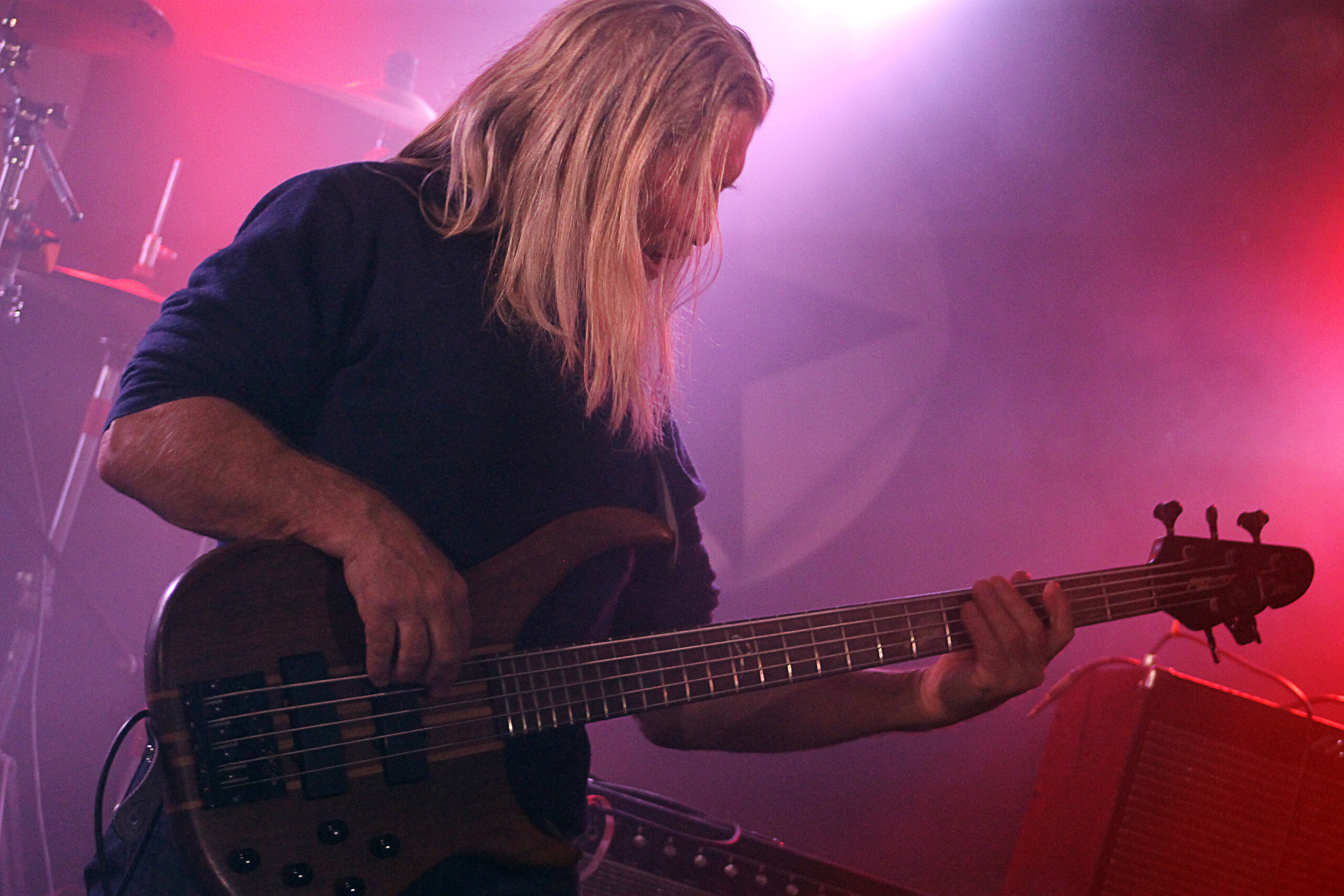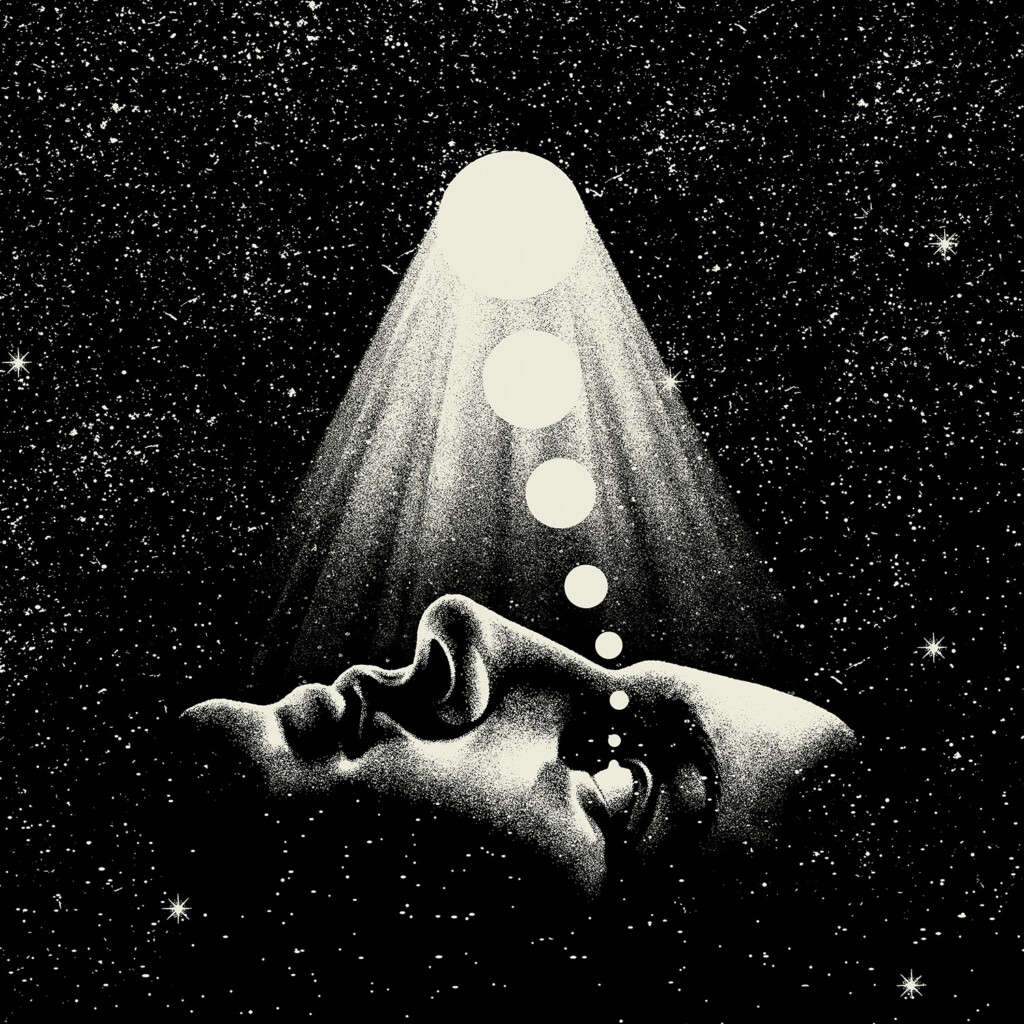
New Zealand garage-rock-revival-veterans The Datsuns have spent decades refining their particular brand of high-voltage rock ’n’ roll. Eight studio albums into their career, there is little indication they’re interested in slowing down or completely revisiting old sounds for the sake of nostalgia (which is a little ironic given their initial rise to fame was itself a nostalgic movement). Their latest, Moonstruck Man, finds the band drawing on their extensive musical heritage but continuing to explore the outer reaches of their sound, as they have for recent releases. The guitars are still loud, the vocals are still distorted and yelled, the drums are still bombastic, but there’s psychedelia, glam-rock, stoner-metal and punk colours to embellish. Hey, if it’s not broke don’t fix it, but maybe tinker a little…
Opening with Electric Highs, the album establishes its intentions with a confident dose of guitar-driven rock. There is a familiar muscularity to the performance, with the guitars providing plenty of bite while the rhythm section keeps everything grooving. Second track Glide Like A Ghost follows with a heavier, more hypnotic approach, leaning towards stoner rock and the fuzz-laden grooves of desert rock (a la Queens of The Stone Age and Homme’s various side projects). The combination of weight and atmosphere provides an early indication of the variety that is to follow.
The title track, Moonstruck Man, is perhaps the album’s defining moment. A gloriously rambling excursion into 1970’s-inspired rock, it embraces wah-soaked guitar, soaring vocals and flashes of progressive-rock eccentricity in both parts and song structure. There are shades of Deep Purple and Mountain in the guitar work, while the more unusual melodies evoke the glam-rock sensibilities of Marc Bolan of T-Rex. Tasty. It’s an adventurous composition that allows the band to indulge their more extravagant tendencies without losing sight of the central riff.
Run From The Sun settles back into a spacious desert-rock groove. There’s a blues-inflected bassline to enjoy that provides a solid foundation for the heavier guitar passages to crunch over the top, creating an atmosphere that feels earthy and expansive. The contrast between these last two tracks demonstrates the band’s willingness to move between different shades of hard rock. A fantastic start that won’t disappoint long-term fans.
Into The Heart continues the album’s exploration of its broader musical territory, incorporating country-ish melodies, while Tightrope provides a shorter, more direct change of pace toward punk leanings. Ugly Leather brings another injection of garage-rock attitude, with a rawer approach that recalls the band’s earlier efforts, particularly their searing singles from their debut. Meanwhile, False Fiends introduces a darker character to the sequence, allowing the heavier side of the band’s sound to take control with some detuned stoner-rock goodness.
As the album moves towards its conclusion, similar-ish Going Nowhere and Double Vision complete the ten-track collection. I was expecting a lighter song here or there, but it looks like a solid album of rock. Their placement gives the record an opportunity to draw together the different musical directions explored over the record and there are flashes of glam, stoner and punk in each one. While there’s plenty of Zeppelin riffage to enjoy on these twin-tunes, I detect an influence from artists such as Tame Impala and Bowie in the mix on both tunes, particularly the vocal delivery. Or maybe I’m hearing things; I listened to this at the appropriate dB level so my neighbours could too.
The album’s creation across several Swedish recording studios, alongside the band’s geographically scattered working arrangements, makes its collective identity fascinating. Frontman Dolf de Borst continues to provide the distinctive vocal presence and bass foundations, while Christian Livingstone and Philip Somervell supply the interweaving guitar work that remains central to the band’s identity. Swedish drummer Adam Lindmark of Dead Lord joins the current touring line-up, while a number of familiar Scandinavian drummers also contributed to the recording sessions. This only seems cosmically correct when I think of the influence bands such as The Hives and The Hellacopters (both Swedish) have had on their sound.
What makes Moonstruck Man an enjoyable addition to The Datsuns’ catalogue is its willingness to embrace the less predictable corners of rock music. There are moments of unrestrained guitar excess, sure, alongside more spacious passages that allow the arrangements to develop and parts to be savoured. The band’s affection for classic hard rock is obvious, although their approach rarely feels confined by the conventions of any one genre. However, there is more than enough meat-and-potatoes rock to satisfy any new devotee or faithful fan.
After decades of making records, The Datsuns still sound remarkably comfortable operating at full volume and for that, as a fan, I’m grateful, and pleasantly surprised. Moonstruck Man is a confident statement from a band that understands its strengths (“play those riffs, man!”) and remains curious about where those strengths might lead to and what other sounds could be incorporated. It’s another substantial serving of New Zealand rock ’n’ roll, delivered with oodles of swagger and an appetite for a few unexpected flavours. Delicious.
Related Acts:
About the author Nicholas Clark
Aspiring Writer / Musician / Philosopher / Caffeine enthusiast. I like to create, write about and talk about music. Let’s have a coffee sometime and nerd out.
More by Nicholas Clark
Album Review: Anhedonia
Album Review: Don’t Take Me To The Disco
Album Review: No Other Option
Album Review: Guard Dog
Gig Review: Amped Up @ Brewtown, Upper Hutt – 24/10/2026
EP Review: Mezdalorani
Album Review: Patron Saint
Gig Review: Wet Denim @ San Fran, Wellington – 26/09/2026
Album Review: Foothold
Album Review: Plastique
Gig Review: Katelyn Henshall @ Vogelmorn, Wellington – 04/09/2026
Gig Review: Mister Unit @ San Fran, Wellington – 18/08/2026